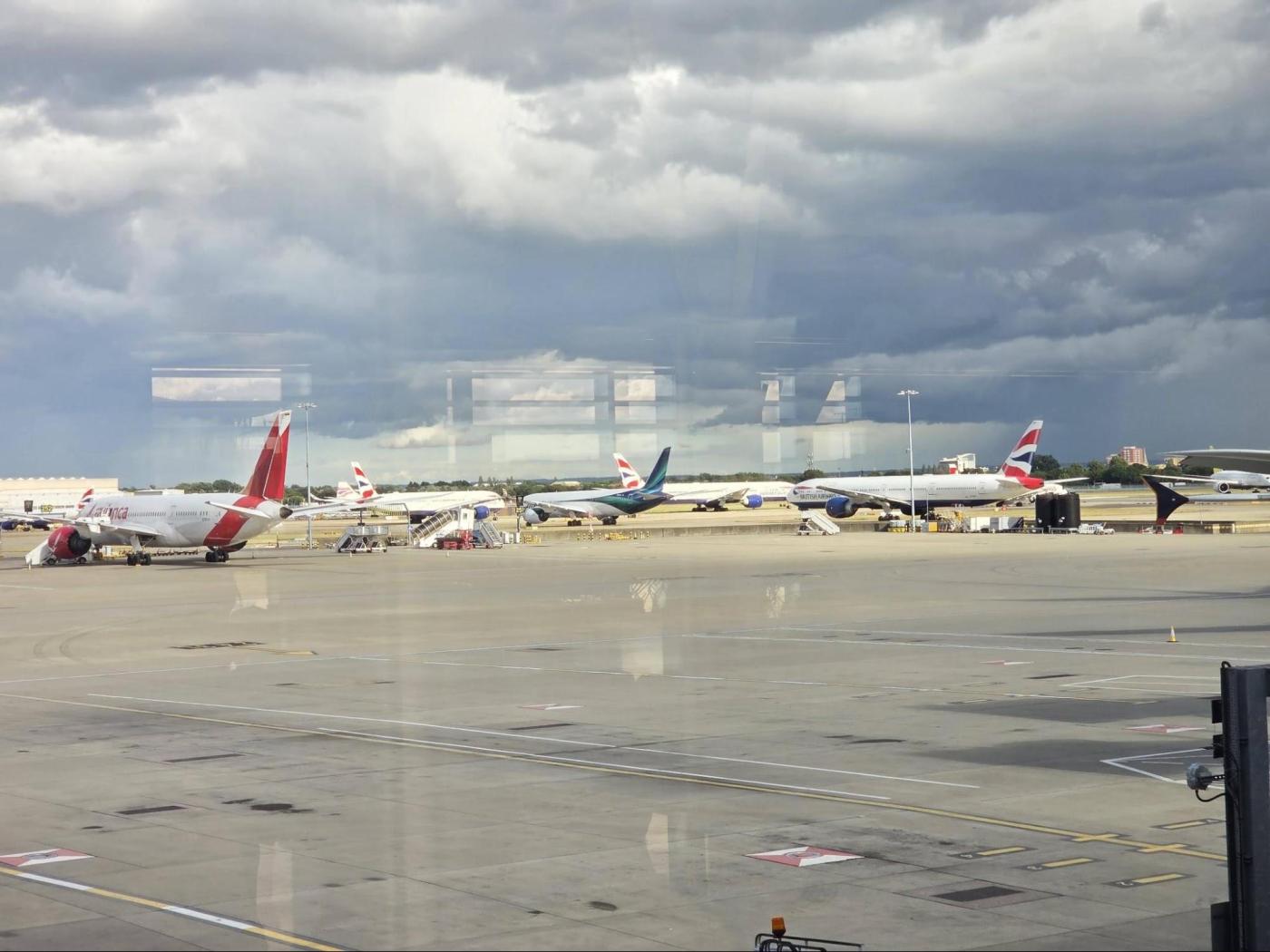
Ergode started in a one-room home office in Texas, with one laptop and a stack of books waiting to be shipped.
Eighteen years later we sell in 150 countries, and every one of them has its own opinion about what a parcel should cost to let in.
The latest opinion comes from Brussels.
Since July 1, the EU charges a flat €3 customs duty on goods in small parcels valued under €150 that are sent directly to consumers. In 2024, 4.6 billion such parcels entered the EU, and 91 percent of small shipments came from China. The old rule let them through without duty. The new one does not.
What Brussels Actually Did
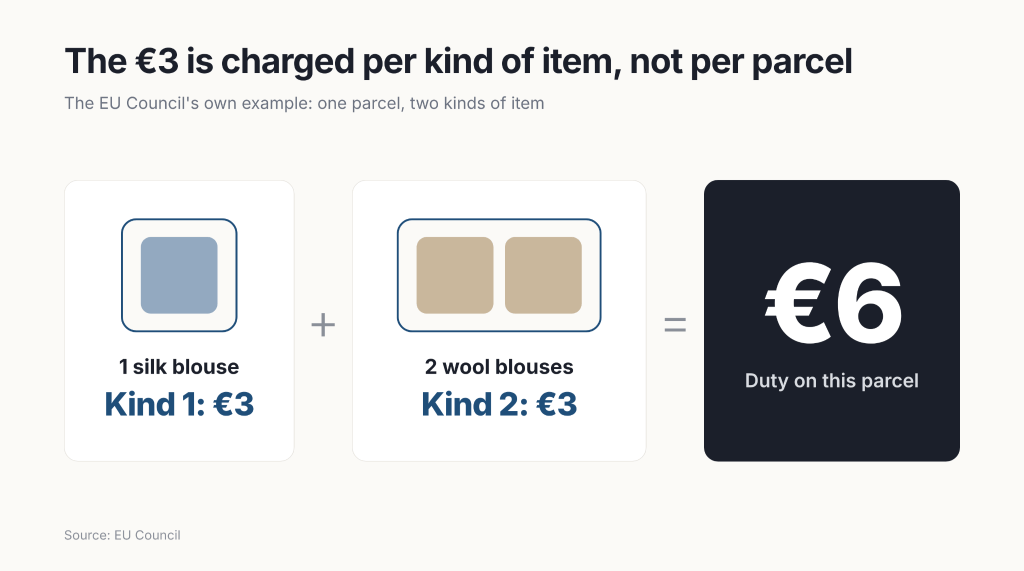
The €3 is not charged per parcel. It is charged per kind of item, identified by its tariff sub-heading. The EU Council’s own example is a parcel holding one silk blouse and two wool blouses. Two kinds of item, so the duty is €6. The tax is flat. The parcel is not.
It is temporary, running from July 2026 to July 2028 and possibly longer, until a new EU customs data hub replaces it with normal tariffs. A separate handling fee on small consignments is also coming. The Council approved it in September, member states must apply it by November 1, and the Commission sets the amount. I will not guess the number.
The Same Order, Before and After
At Ergode we run on one number: contribution margin per order. It is what is left after product cost, fulfillment, returns, platform fees and the advertising that won the sale. I wrote in August about the day we put it ahead of revenue, here.
So let me run it on an order I made up. The numbers are invented to keep the arithmetic clean, and they exclude VAT.
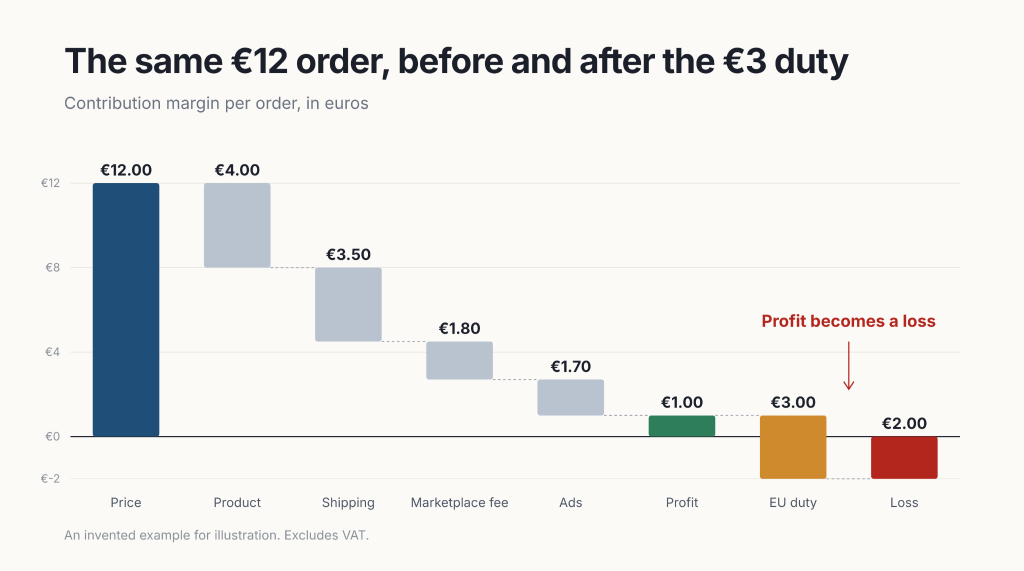
A customer in Germany buys a €12 item shipped from outside the EU. The product costs €4.00. Shipping costs €3.50. The marketplace takes 15 percent, which is €1.80. Advertising to win the sale costs €1.70. What is left is €1.00. Thin, but plenty of healthy businesses run on orders like it.
Now add the €3. The €1.00 profit becomes a €2.00 loss. The duty is three times the profit. Three euros is a coffee in many European cities. On this order it is the whole business.
What the Dashboard Won’t Tell You
Here is the part that matters to me. When we began leading with contribution margin per order, it showed us things revenue never had. Among them were geographic markets that were importing a cost structure we could not support. In the first month we paused one market entry.
A duty like this is exactly that kind of cost. It arrives at the border. It never appears on the product page. It does not show up in revenue, which keeps rising right up to the moment it stops meaning anything.
With customers in 150 countries, some rule is always changing somewhere. I would rather find out from my own numbers than from a headline.
Three Moves, None of Them Free
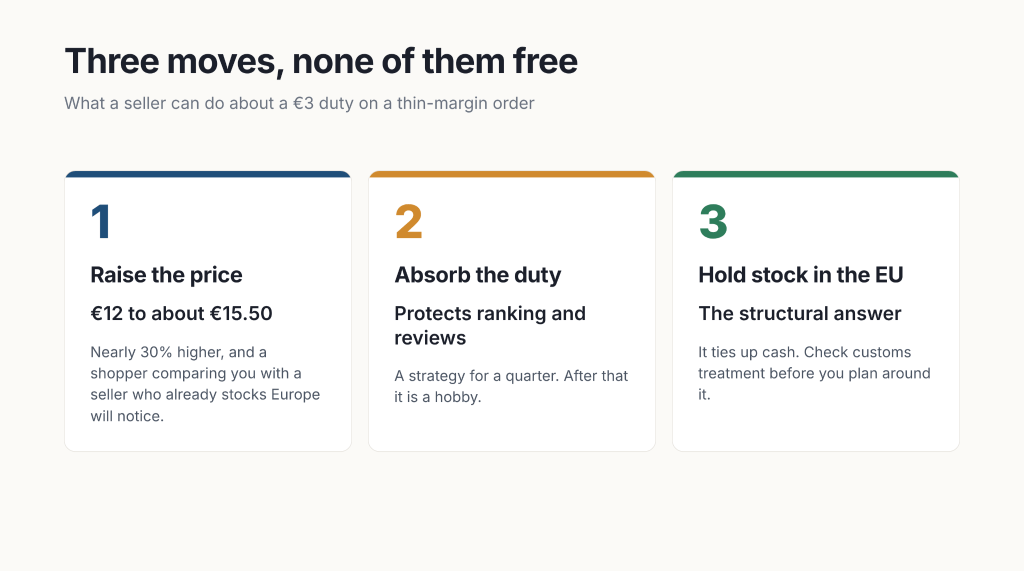
If you sell into Europe from outside it, you can raise the price, absorb the duty, or hold stock inside the EU.
Raising the price is the obvious one. To get back to €1.00 of profit on that order, the price has to go from €12 to about €15.50, because the marketplace fee grows with it. That is nearly a 30 percent rise, and a shopper comparing you with a seller who already stocks Europe will notice.
Absorbing it protects your ranking, your ad history and your reviews. It is a strategy for a quarter. After that it is a hobby.
Holding stock inside the EU changes the picture, because an order shipped from a European warehouse is not a small parcel crossing a border. It is the structural answer. It also ties up cash and asks you to bet on demand before you have sold much there. How customs treats your own setup depends on the details, so check before you plan around it.
Is It Fair?
Everyone is calling this a China tax. With 91 percent of the parcels coming from China, the nickname has earned itself. European retailers who pay duties on their own imports have a genuine complaint about a rule that let cheap parcels in untouched. Leveling the field is not a silly goal.
My concern is how a flat tax behaves. A flat tax is never flat. The pain lands where the margin is thinnest, and the thinnest margins belong to the seller who ships one parcel at a time and has never looked at contribution margin per order.
That stack of books in Texas would have been priced in dollars and shipped across a state. Every parcel today crosses a border, and every border has an opinion. The business that survives is the one that knows its number before the opinion arrives.
Agree or disagree? Tell me where you land on LinkedIn. And if you sell into Europe, tell me whether you have run your numbers yet.
Regards,
Rupesh
Discover more from Cloverbites By Rupesh Sanghavi
Subscribe to get the latest posts sent to your email.

Leave a Reply