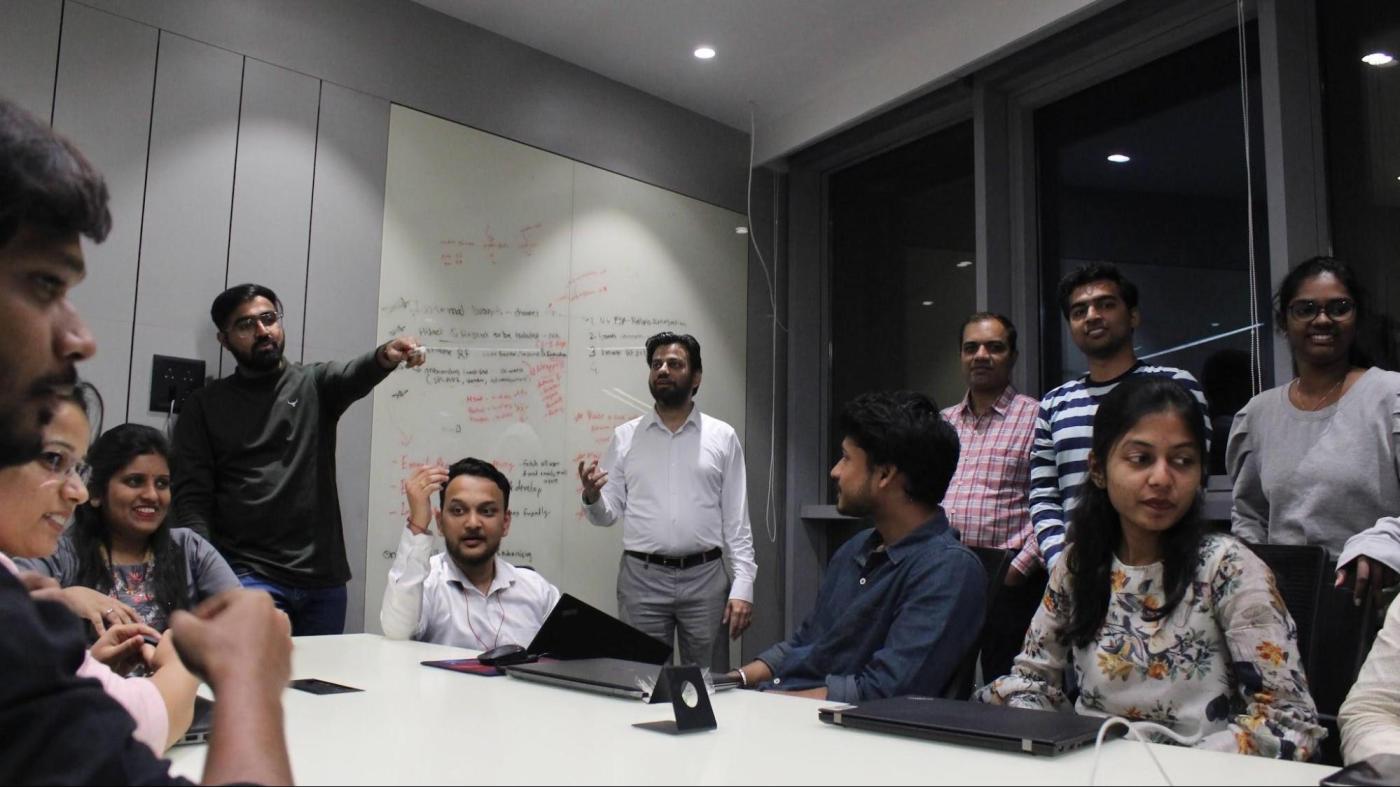
When I started Ergode from a home office in Texas, my world was essentially one room, one laptop, and a small stack of books waiting to be shipped.

Today we operate across 150 countries, with teams in Houston, Mumbai, Kolkata, Siliguri, and a new hub in Gurugram. We have over 700 people working across three continents, 1,500 brand partners, and we’re processing orders every single day for customers in places I’ve never visited and probably never will.
The business has taught me many things over eighteen years. But the most surprising thing it has taught me, and the thing I think about most, has nothing to do with ecommerce.
It’s about people. Specifically, how similar they are.
I don’t mean that in a naive, everyone-is-the-same way. Cultures are genuinely different. Working styles differ. What motivates someone in Mumbai is not always what motivates someone in Houston. How feedback is received, how hierarchy is understood, how much silence means agreement versus disagreement. These things vary in ways that matter and that you ignore at your own expense.
But underneath all of that, once you’ve worked with enough people across enough countries, a different pattern becomes visible. The things that make someone excellent at their job are remarkably consistent across every culture I’ve encountered. Curiosity. The willingness to be wrong. Genuine care about the outcome, not just the appearance of caring. The ability to say “I don’t know” without it feeling like defeat. These qualities show up in the same proportion everywhere, and their absence shows up in the same proportion too.
What changes is the packaging. In some cultures the excellent person is loud and direct. In others they’re quiet and methodical. In some places they’ll challenge you in the meeting. In others they’ll come to you afterwards. If you only know how to recognise excellence in one form, you’ll miss it everywhere else it’s hiding.
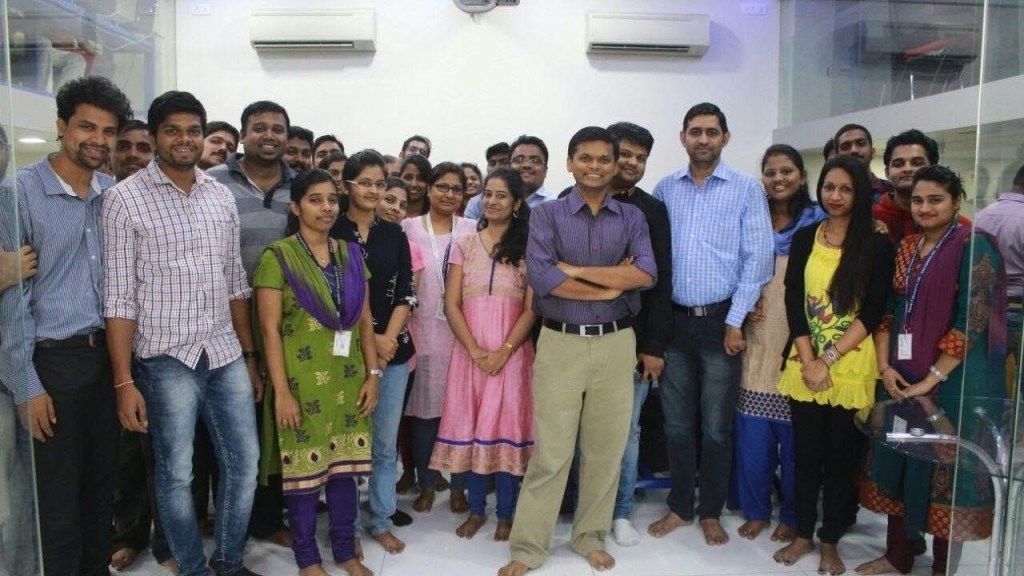
This took me longer to learn than it should have. In the early years of expanding internationally, I was looking for versions of the people I already knew. Same energy, same communication style, same way of approaching a problem. What I was actually doing was looking for people who reminded me of myself, which is a very efficient way to build a homogeneous team and a very inefficient way to build a global one.
The shift happened gradually. The more time I spent working with people from genuinely different backgrounds, the more I started to see that the diversity wasn’t something to manage around. It was the actual competitive advantage. A team that approaches a problem from five different cultural frameworks finds solutions that a team of five similar thinkers simply won’t reach. The friction is real. So is the output.
There’s something else that eighteen years of building across countries has taught me, and it’s the thing I find hardest to articulate but most important to say. People everywhere want the same fundamental things from their work. They want to be trusted with something meaningful. They want to know that their contribution is visible and that it matters. They want to be treated with dignity, not managed like a resource. And they want to feel like they’re part of something that’s actually going somewhere.

When those things are in place, geography stops being a barrier. When they’re not, no amount of process or technology makes up for it.
I’ve done business in 150 countries. The logistics differ enormously. The people, at their core, really don’t.
Regards,
Rupesh
Discover more from Cloverbites By Rupesh Sanghavi
Subscribe to get the latest posts sent to your email.

Leave a Reply