Sometime in the early years of Ergode, I made a decision that I didn’t fully articulate at the time but that has shaped everything since. I decided that the measure of whether I was doing my job well wasn’t how much the business needed me. It was how well it could operate, grow, and make good decisions without me in the room.
That sounds straightforward. It is not, in practice, straightforward at all.
When you build something from nothing, and I mean genuinely from nothing, I started by selling a single used book on Amazon, the temptation is to stay close to everything. Not out of insecurity, but because in the beginning, closeness is competence. You know every vendor, every margin, every product, every process, because you built all of it yourself. The business runs on your knowledge and your judgement because there isn’t much else to run on yet. That’s not a problem. That’s just what early stage looks like.
The problem comes when founders treat that closeness as the goal rather than the starting point. When the measure of success becomes how indispensable they are rather than how capable the organisation around them is becoming. I’ve watched businesses plateau at a size that perfectly reflects the founder’s personal bandwidth, not because the market couldn’t support more, but because the founder, consciously or not, built a company that required them to remain at the centre of everything. That’s a certain kind of achievement. It’s also a ceiling.

I wanted to build something with no ceiling. Which meant, from fairly early on, I had to be deliberate about building myself out of the critical path.
That meant hiring people who were genuinely better than me at specific things and then actually letting them do those things without second-guessing every decision. It meant building systems and processes that could carry the business’s knowledge rather than keeping that knowledge in my own head. It meant being willing to be the least informed person in a room when the subject required expertise I didn’t have, and being comfortable enough with that to ask questions rather than perform certainty. None of this is as easy as it sounds when you’re the person who started the whole thing.
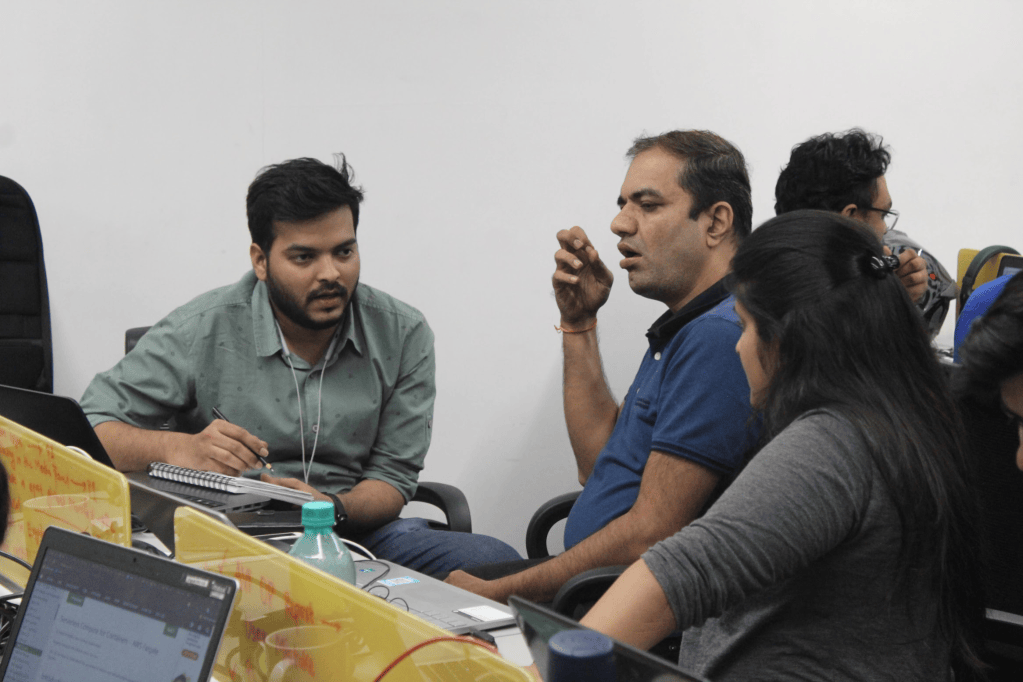
There’s a version of this that founders sometimes confuse with stepping back or losing control. It isn’t that. Delegating execution is not the same as abdicating direction. What I was always clear about were the things that couldn’t and shouldn’t be distributed: the long-term vision, the culture, the values that determine how we make decisions when the right answer isn’t obvious. Those are the things that compound over twenty years and can’t be handed to someone on their first week. Everything else, I wanted to be buildable, teachable, and eventually runnable by people better suited to it than me.
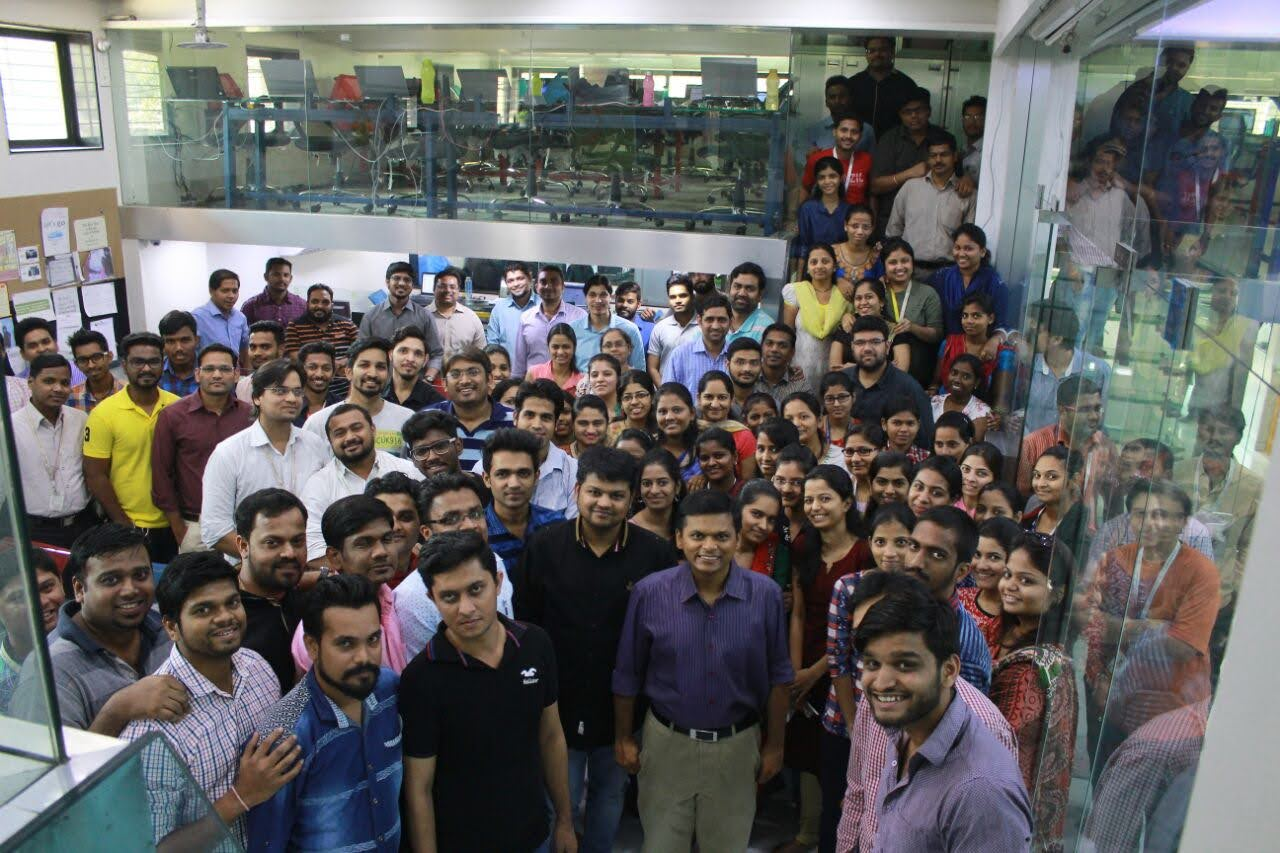
By the time Ergode had grown to hundreds of people, thousands of vendors, and millions of SKUs across 150 countries, the business was doing things I couldn’t have done personally even if I’d wanted to. Not because I had been left behind, but because I had spent years deliberately building capability around me that was designed to exceed what any one person, including me, could manage alone. The supply chain decisions being made, the vendor relationships being managed, the brand acquisitions being integrated: all of it was running on a foundation that had been architected to function at a scale beyond me. That was the intention from the start.
The moment I knew this was working was sitting in a meeting where a team had already worked through a complex problem, considered the angles, and arrived at a better answer than I would have reached on my own. I didn’t feel redundant. I felt like the architect of something that had genuinely taken on a life of its own. Those are very different feelings, and the difference matters.
What I’ve come to believe, after twenty years of building, is that a founder’s real job is not to be the smartest person in the company. It’s to build an organisation that eventually doesn’t need them to be. The founders who understand this early build things that last and scale. The ones who don’t build things that are, in effect, one person wearing a company as a costume.
The business outgrowing you isn’t something that happens to you. It’s something you spend years designing, if you’re doing it right.
Regards,
Rupesh
Discover more from Cloverbites By Rupesh Sanghavi
Subscribe to get the latest posts sent to your email.

Leave a Reply