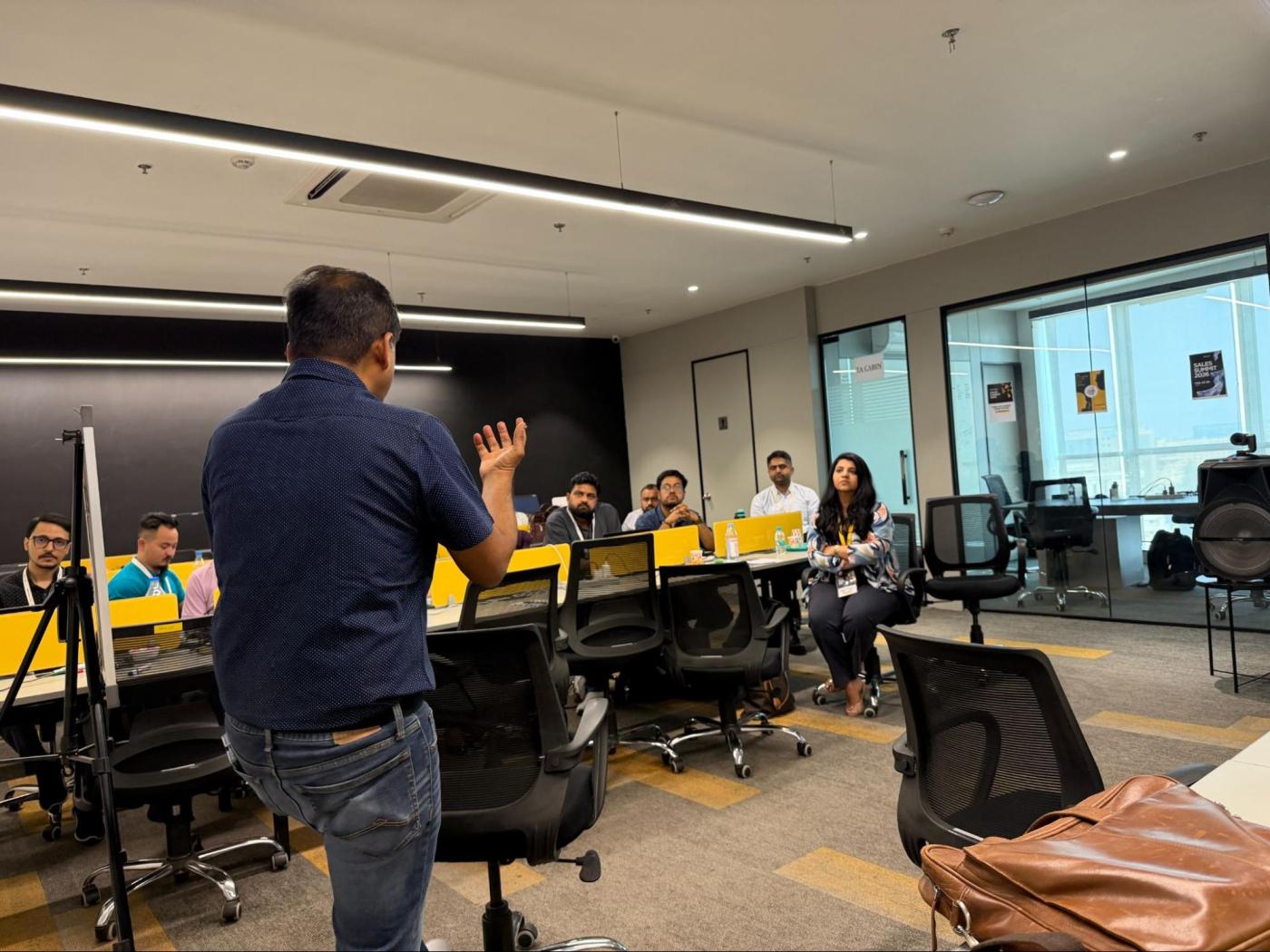
I used to think a good meeting was a long one.
Ninety minutes in a room meant we were being thorough. Seriously. Doing the real work. I held this belief with great confidence for years. It is also, I now know, one of the most expensive beliefs a founder can have.
The meeting that finally broke it was a board meeting. About four years in. I had prepared what I considered an excellent agenda. Twelve items. Supporting notes. Slides. The full production.
We got through four of them in two hours.
We kept drifting. One agenda item would surface a tangent. The tangent would become its own conversation. Someone would raise something loosely related. And before anyone noticed we were forty five minutes into a discussion that had started as a two minute update and turned into something nobody had prepared for and everybody was slightly too polite to shut down.
At the end of it, one board member leaned back and said something I have thought about almost every week since.
“We spent two hours in this room and made one decision. Was that the right decision to spend two hours on?”
It was not. Not even a little bit.
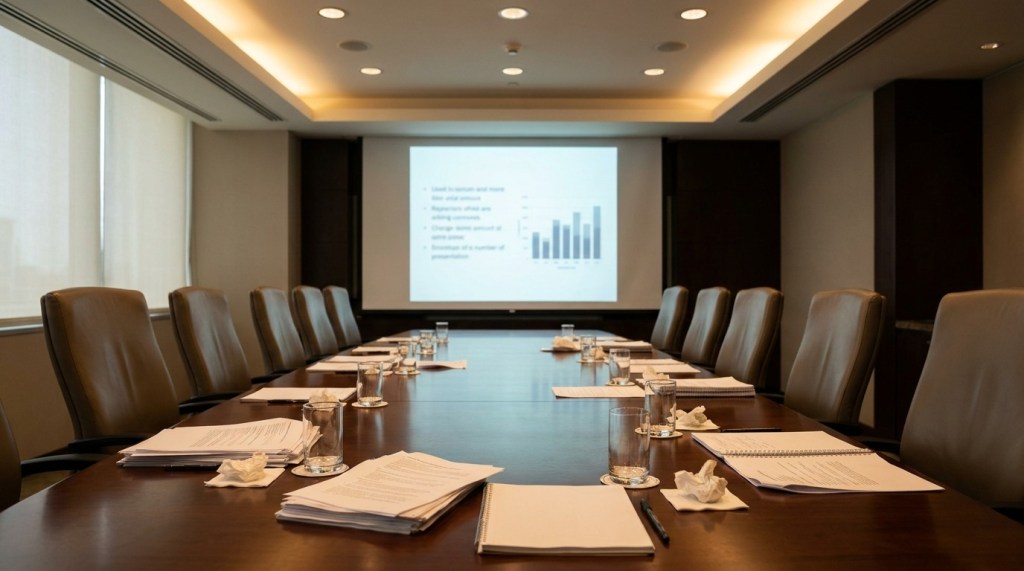
What was actually happening in that room.
The meeting had not failed because the people in it were not smart. Everyone in that room was sharp. It had failed because nobody, including me, had been clear about what the meeting was actually for.
Information sharing. Decision making. Problem solving. Alignment. Brainstorming. Each of those is a completely different conversation requiring completely different preparation. Throwing all of them into the same ninety minute block is a little like going to a restaurant, ordering the entire menu, and being surprised when nothing arrives quite right.
Most meetings fail not because of the people in them. They fail because of confusion about what they are supposed to produce. And that confusion almost always starts with whoever called the meeting.
In this case, that was me. Sitting there with my twelve item agenda, very proud of myself.

The things I changed.
Before anything gets onto an agenda now it has to answer one question. What decision or output does this item need to produce before we move on.
If it cannot answer that, it is not a meeting item. It is an email. Or a conversation between two people that somehow ended up in a calendar invite and brought eleven others along for the ride, none of whom needed to be there.
I also got ruthless about who is in the room. A decision making meeting with twelve people is not a decision making meeting. It is a performance. The real decision happens somewhere else, between fewer people, after the meeting ends. Which raises the obvious question of why you had the meeting at all.
The right meeting has the minimum number of people required to produce the outcome. Everyone else gets the notes and their afternoon back, which they are considerably more grateful for than the invitation.
Our meeting notes are now three things. What was decided. Who owns it. By when. Anything longer and nobody reads them, which means the meeting effectively did not happen.
What actually changed.
Meetings got shorter. And the quality of what came out of them got better at the same time, which is the part that surprises people most.
People started arriving more prepared because they knew what was expected. Decisions started getting made in the meeting rather than deferred to a follow up. And the follow up meetings, the ones that only exist because the previous meeting failed to do its job, started quietly disappearing from the calendar like they were embarrassed to still be there.
Every meeting that does not happen is time someone spent doing actual work. And actual work is how businesses grow. Not the meeting about the work.

The one question I ask before every meeting now.
If this meeting does not happen, what breaks.
If the honest answer is not much, I send an email. If something genuinely breaks, I call the meeting, I know exactly what it needs to produce, and I end it the moment it has produced that thing.
Meetings are not where work happens. They are where work gets organised so people can go and do it.
The sooner you treat them that way the fewer you need. And the fewer you need, the more everyone starts looking forward to the ones that remain.
Which is a sentence I genuinely never thought I would write.
Regards,
Rupesh


Leave a Reply