
There is a specific kind of exhaustion that only founders know.
It is not the tiredness you feel after a long day. It is the tiredness you feel after a long day where you also did three other people’s jobs, made seventeen decisions that should not have required you, and ended the evening answering emails that someone else should have handled six hours ago.
If that sounds familiar, this one is for you.
Getting from $100K to $1M is not a skill problem. By this point you have proven the skill. The market has validated it. People are paying for it. The skill is not the issue.
The issue is that you are still acting like it is.
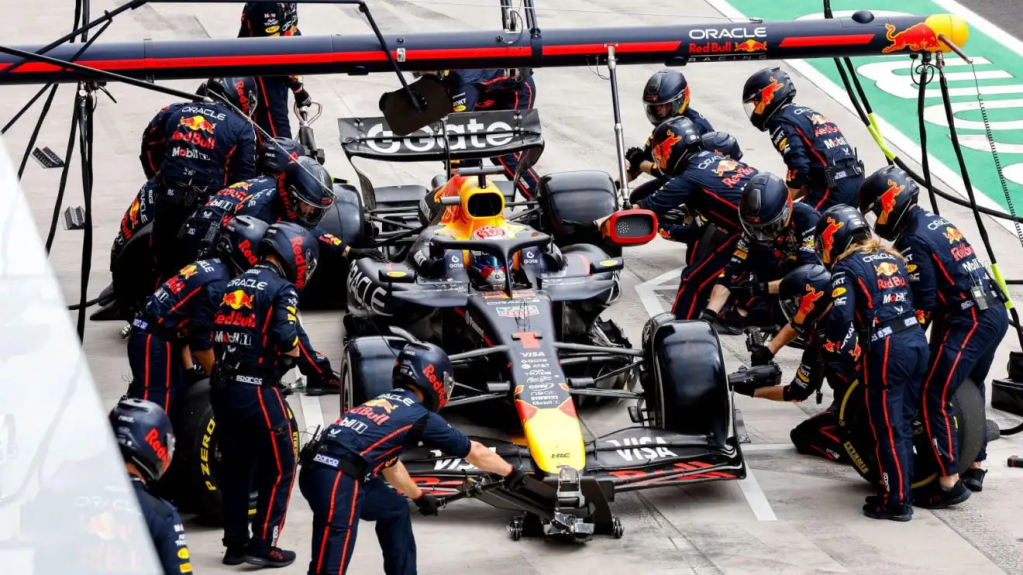
The founder who cannot let go.
Here is a story that is so common it should probably be taught in business school.
Founder builds something real. Business starts growing. More clients, more work, more complexity. Founder works harder. Longer hours, more decisions, more everything flowing through the same one person who started this whole thing in a spare bedroom with a laptop and unreasonable self belief.
And it works. For a while. Until it does not.
Because here is the thing about being the bottleneck in your own business. It feels like being indispensable. It feels like proof that you are the reason this works. And in a strange way it is almost comfortable, because if everything depends on you then you are never really at risk of being irrelevant.
But what it actually is, is a ceiling. A very personal, very well constructed ceiling that you built yourself and then forgot you were standing under.
Roger Federer at his peak was the best tennis player on the planet. But even Federer had a coach, a physiotherapist, a nutritionist, an agent, and an entire team of people who were world class at things he was not. He did not win twenty grand slams by doing everything himself. He won them by being brilliant at the one thing only he could do, and trusting the right people with everything else.
That is the $1M lesson. Not in a book. Right there.

Hiring is not a cost. It is a bet.
Most founders think about hiring the wrong way. They wait until they are drowning. Until the wheels are visibly coming off. Until they have missed something important because there were simply not enough of them to go around.
And then they hire in a panic, which is the single worst time to make a decision about people.
The founders who hit $1M treat hiring differently. They hire slightly before it is comfortable. They bring someone in while it still feels like a stretch, because they understand something important. Every great hire does not just take work off your plate. They take the right work off your plate. The work that was quietly stopping you from thinking bigger.
I have spoken to founders who describe the moment they made their first really good hire the same way people describe a great night’s sleep after months of insomnia. Something just unlocks. The business breathes. And suddenly you are working in the company instead of just in it.
That shift, from working in to working on, is where the first million lives.

The hardest part nobody talks about.
Letting someone else carry something you built is genuinely difficult. It is a little like handing your car keys to someone else and sitting in the passenger seat of your own vehicle. Technically fine. Emotionally very strange.
You will want to correct them. You will notice they do things differently to you. They will make a call you would not have made and your first instinct will be to jump in. Sometimes you should. Most of the time you should not.
Because different is not the same as wrong. And a business that can only run one way, your way, is a business that can only ever be as big as you are.
The founders who scale are not the ones who found people who think exactly like them. They are the ones who found people who complemented them. Who filled the gaps. Who were quietly, honestly better at certain things than the founder ever was or ever needed to be.
That is not a threat to your vision. That is your vision actually having a chance.

So what is the $1M actually asking you to do?
It is asking you to trust. Specifically, to trust that the thing you built is strong enough to survive being touched by someone other than you.
It is asking you to get out of the way. Not permanently, not completely, but enough to let other people do what they are good at.
And it is asking you to make peace with a slightly uncomfortable truth. You cannot get to the next level alone. Not because you are not good enough. But because the next level was never designed for one person.
The skill got you started. The right people get you somewhere worth going.
And the systems that hold it all together? That is the next conversation.
Regards,
Rupesh
Discover more from Cloverbites By Rupesh Sanghavi
Subscribe to get the latest posts sent to your email.

Leave a Reply