
I remember the first time the number actually hit.
No big moments. No champagne. No slow motion walk through the office while everyone claps. I just stared at the screen for a second and thought, huh. So that actually worked.
And then immediately started worrying about the next month.
Classic founder behavior. We celebrate for approximately four minutes, post something vague but grateful on LinkedIn, and then find something new to panic about before dinner. It is basically our love language.
But here is what I have figured out since then. That first $100K almost never comes from a brilliant idea or a perfectly timed market entry. It comes from one thing. You are genuinely, unusually good at something. And being just brave enough to charge for it.
Which, by the way, is harder than it sounds. Most people would rather explain their idea for three more years than actually send the invoice.
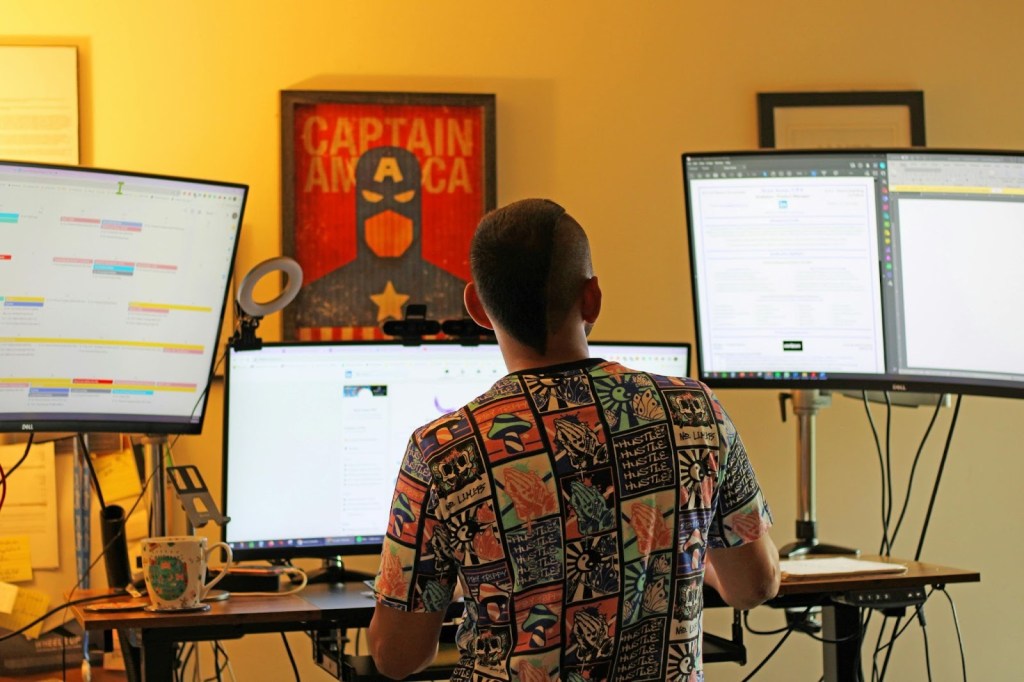
It starts with the skill. Always.
Look at the early story of almost any business you respect. Peel back the logo, ignore the fancy mission statement, skip the about page that uses the word “passionate” four times and has a stock photo of people laughing at a laptop.
What is actually underneath?
Someone who knew something deeply. And found people who needed that thing badly enough to open their wallet.
It is like being the best cook in the neighborhood. At some point someone says, you should do this for money. And then one day you are running a restaurant. The restaurant did not create the skill. The skill created the restaurant.
In the beginning the market does not care about your five year vision. It cares about one thing. Can you solve my problem, right now, better than anyone else I can find? If yes, it will pay you. That is the whole game at that stage.
Your first $100K is just proof that the answer was yes.
Here is the part nobody warns you about.
The skill that gets you there can also be the thing that quietly keeps you stuck there.
And it happens in the most flattering way possible, which makes it genuinely dangerous.
You are good, so people keep coming to you. You deliver, so they keep coming back. Everything flows through you because nobody quite does it like you do. The clients are happy. The reviews are great. You are the guy. Or the woman. The person. You know what I mean.
And then one day you look up and realise you are running on fumes, the revenue has not moved in eight months, and you have not taken a real holiday in two years because the whole thing quietly stops working the moment you are not in it.
You did not build a business. You built a one person show. Which is great if you are Beyoncé. Slightly less great if you are trying to scale a company.
I have seen this happen to incredibly talented people. Not because the market dried up. Not because the skill stopped mattering. But because they never made the shift from being the answer to building something that could answer without them.
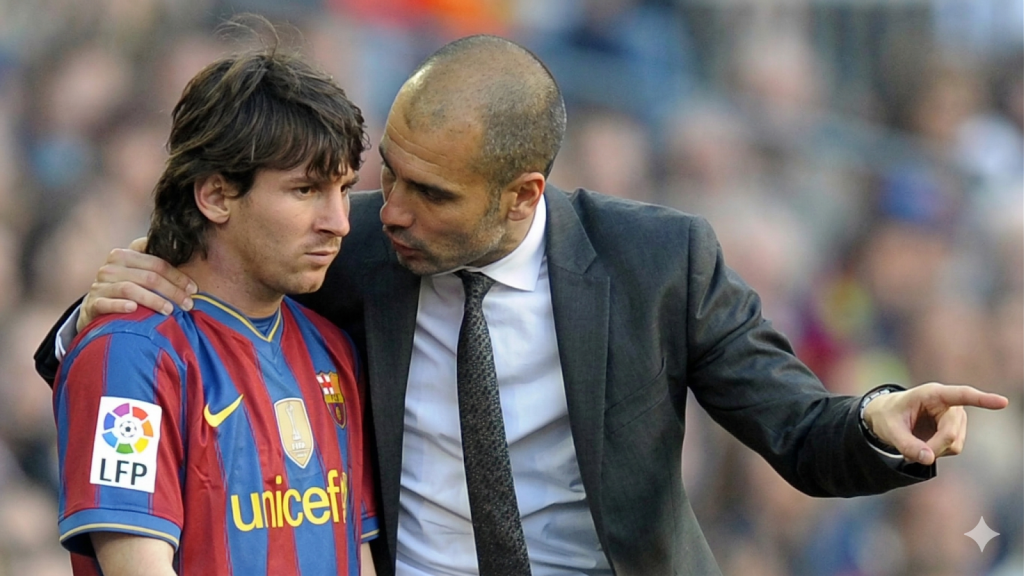
It is the difference between being Messi and being Guardiola. Messi is the most gifted player on the planet. Guardiola builds teams that win without needing a Messi. Both are brilliant. Only one of them scales.
So what is the $100K actually telling you?
It is telling you that you found something real. A real problem, a real solution, real people who trusted you enough to pay for it. That is not small. Most people are still perfecting the pitch deck while the market moves on without them.
But it is also asking a quiet question. What happens to this when you are not in the room?
If the honest answer is, it probably falls apart, then you are still the business. And the next chapter requires something the skill alone simply cannot give you.
The founders who break through are not the ones who got better at the skill. They are the ones who realised the skill was the foundation. Not the whole building.
Start here. Just do not stay here.
That first $100K is yours. You earned it, you lost sleep over it, you sent that one slightly desperate follow up email at eleven at night for it. It is real and it matters.
But think of it like a base camp on Everest. Essential. Necessary. A genuine achievement in itself. But nobody climbs to base camp and calls it a summit.
The next part of the climb needs a different kind of preparation entirely.
Looking forward to that conversation.
Regards,
Rupesh
 Cloverbites By Rupesh Sanghavi
Leave a Reply