
In the hustle of achieving our daily targets and pushing boundaries, it’s easy to forget the core essence of leadership. Often, we get caught up in the numbers, the deadlines, and the endless pursuit of success. However, the true mark of a leader is seen not just in how they lead but in how they serve. This is where the principle of servant leadership comes into play, a philosophy that I, as the founder and CEO of Ergode, have found to be transformative, not just for me but for my entire team.
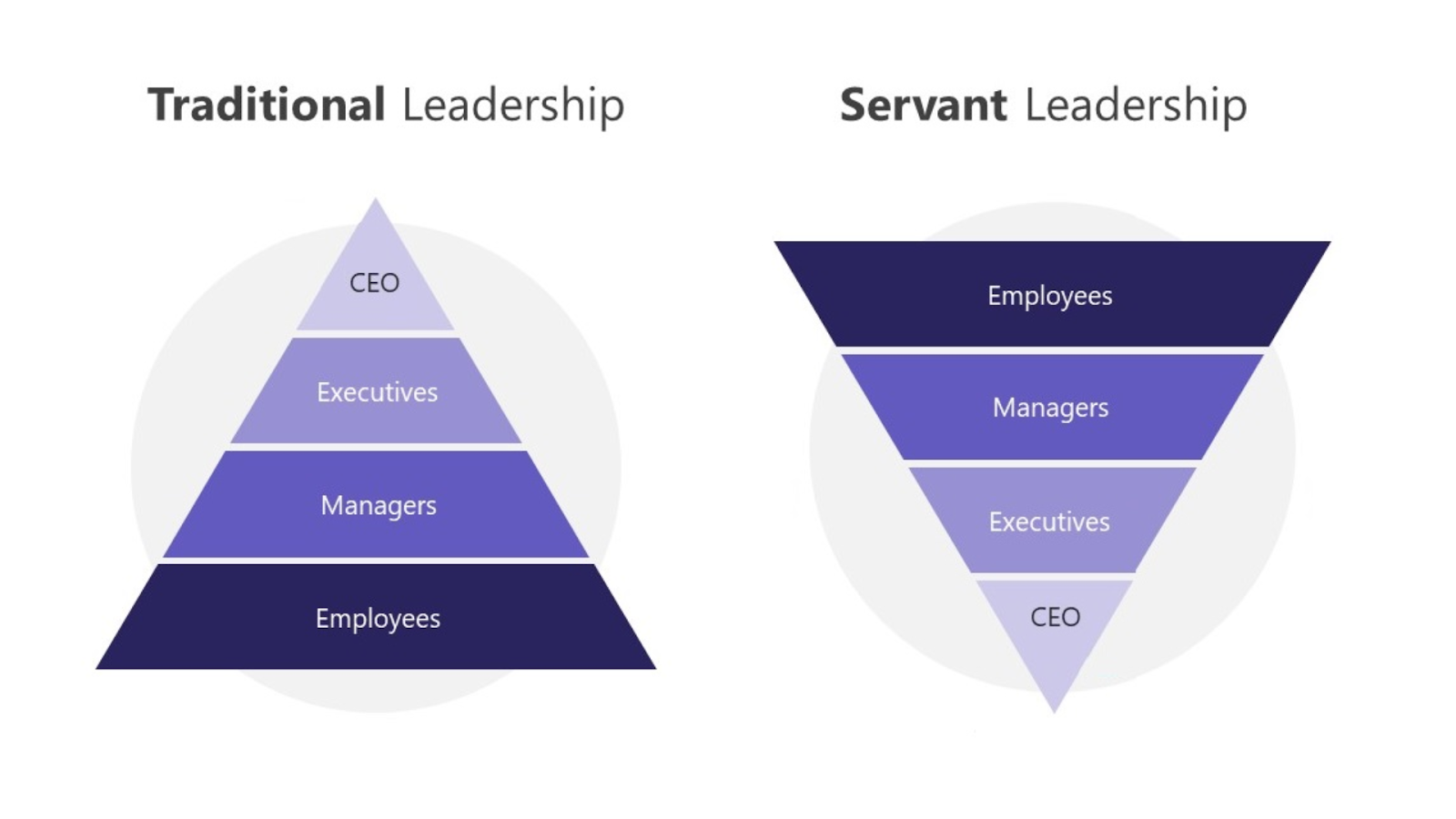
Servant leadership is about flipping the traditional hierarchy on its head. Instead of leading from the top down, you lead from the bottom up. It’s about putting your team’s needs above your own, ensuring their growth and well-being are prioritized. This approach might seem counterintuitive to some, but its impact is profound. Let me explain this with some daily life examples, making it as relatable and straightforward as possible.
Imagine you’re part of a rowing team. In traditional leadership, the captain would shout commands from the stern, expecting everyone to follow without question. Servant leadership, however, is like the captain rowing alongside the team, understanding each member’s strengths and weaknesses, and adjusting the course accordingly. This not only boosts morale but also ensures that everyone is moving in sync, creating a smoother, faster journey towards the goal.

Another example could be a family dinner. In many households, the responsibility of cooking might fall on one person. However, imagine if, instead of dictating the menu, that person asks each family member what they’d like to eat, considering everyone’s preferences and dietary restrictions. This act of service doesn’t diminish the cook’s authority; instead, it fosters a sense of belonging and appreciation among the family members, making the meal more enjoyable for everyone.
These examples reflect the essence of servant leadership – understanding, empathy, and collaboration. By putting your team first, you create an environment where individuals feel valued, heard, and motivated. This doesn’t mean that you forsake your authority or your vision. On the contrary, it means you’re using your position to empower others, which, in turn, strengthens your team and your organization.
At Ergode, adopting a servant leadership approach has led to remarkable outcomes. By prioritizing the needs of my team, we’ve not only seen an increase in productivity and innovation but also a significant improvement in workplace satisfaction and retention rates. When team members feel supported and valued, they’re more likely to go the extra mile, think creatively, and commit to the company’s vision.
Moreover, servant leadership fosters a culture of trust and respect. It breaks down barriers between the “boss” and the “employees,” making the workplace more democratic and open. This is crucial in today’s fast-paced, ever-changing business environment, where adaptability and creativity are key to staying ahead.
In conclusion, leading like a boss doesn’t mean exerting authority or instilling fear. It means leading with empathy, serving your team, and putting their needs first. This approach not only enhances team collaboration and motivation but also sets a foundation for lasting success. As leaders, our goal should be to serve as a catalyst for our team’s growth, enabling them to achieve their full potential. After all, the true measure of our success is not in the heights we reach but in the lift we give to others on the journey.
Remember, leadership is not about being in charge. It’s about taking care of those in your charge. Let’s lead like a boss, by putting our team first, always.
Regards,
Rupesh
 Cloverbites By Rupesh Sanghavi
Leave a Reply