
Dear Readers,
Welcome to another weekly blog from Cloverbites.
As a CEO, I am privileged not only to have a view from the top but also to reflect on the experiences that shape the professional lives of countless individuals within or outside our organization, Ergode. One such aspect that often captures my attention is the decision to resign. Resignation is undoubtedly an employee’s right, but it is vital to delve deeper into this matter and consider the consequences beyond the immediate horizon, which a lot of people miss. It’s a choice that holds immense power, and one that I approach with a spirit of humility and empathy.
Short-term vs Long-term Perspective
Imagine being a student who frequently changes schools. With each new start, it feels like hitting the reset button. It can be a lot to take in, right? Well, changing jobs too often can have a similar effect on your professional growth. It’s like an athlete constantly starting over instead of building expertise through years of practice and play. When you stick with a role for a longer time, you gain valuable experience and depth, similar to how an athlete becomes a master through years of dedication and hard work.

The Importance of Continuity
Let’s take a moment to think about the legendary cricketer, Sachin Tendulkar. Had he abruptly switched sports, trading his cricket bat for chess pieces, would he have achieved the same level of mastery? Probably not, right? If we truly love what we do, are good at it, and if our work resonates with us like a cherished sport, why abandon it?
In today’s swiftly changing professional landscape, it’s crucial to recognize and appreciate the continuity of learning and growth that longstanding roles can provide.
The Value of Resilience and Relationship-building
In the workplace, just like in a family, it’s normal to have disagreements. But if both parties derive benefits from the relationship, it’s worth seeking common ground instead of giving up. These moments of disagreement can actually lead to breakthroughs and inspire personal and professional growth.

Understanding the Consequences of Resignation
So, what are the consequences of resignation? Are there any? Definitely, there are consequences. Especially when leaving a role we’ve comfortably settled into for years, it can make a massive difference for the company and most importantly, ourselves in the coming future. It’s similar to moving from a familiar cricket pitch to an entirely new stadium. There’s an adjustment period, a learning curve, and a potential loss of the rhythm and camaraderie that familiarity brings.
Moreover, changing jobs too often can also have ripple effects on your professional relationships. Colleagues and contacts that you have built along the way often play critical roles in presenting new opportunities or references for your future path. So, it’s important to maintain positive relationships and not burn bridges when changing jobs.
Conclusion
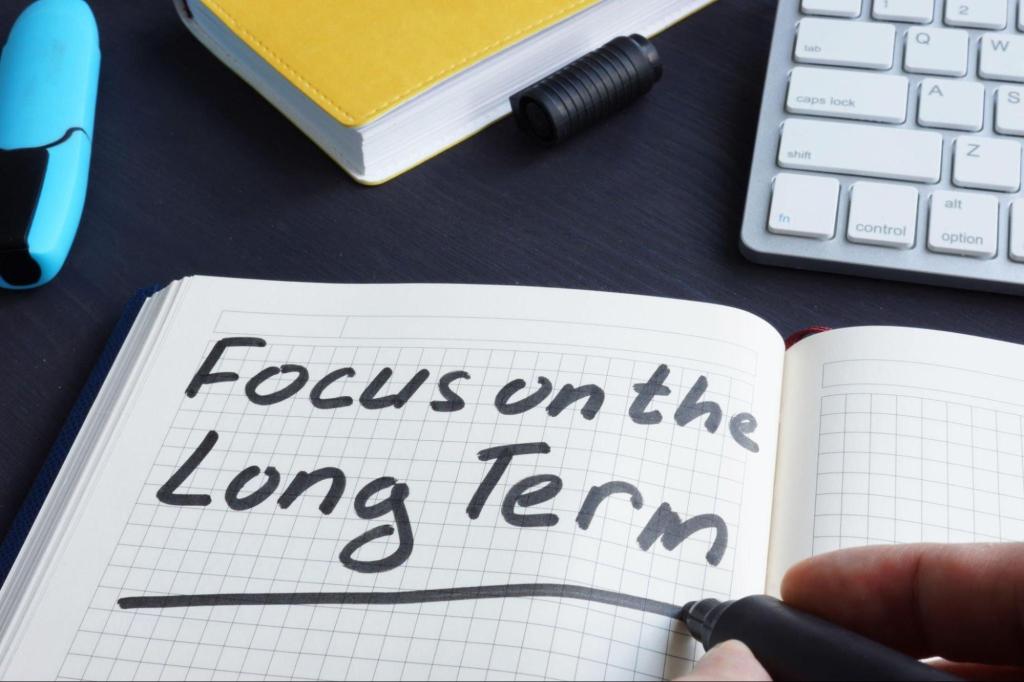
In conclusion, taking that role or staying in the same job for an extended period can often result in significant benefits. It’s essential to recognize the continuity of personal growth and learning available through such long-standing roles. Remember, perseverance and seeking common ground during challenging moments can be an opportunity for growth and allow for the chance to learn invaluable lessons for one’s professional development. So, before making any abrupt decisions, take the time to think long-term, build experience through dedication, and embrace challenges as an opportunity for personal and professional growth.
Thank you for reading, and I hope this blog has provided some valuable insights on the importance of considering the long-term consequences of resignation.
 Cloverbites By Rupesh Sanghavi
Leave a Reply