Introduction
I still remember the early days.
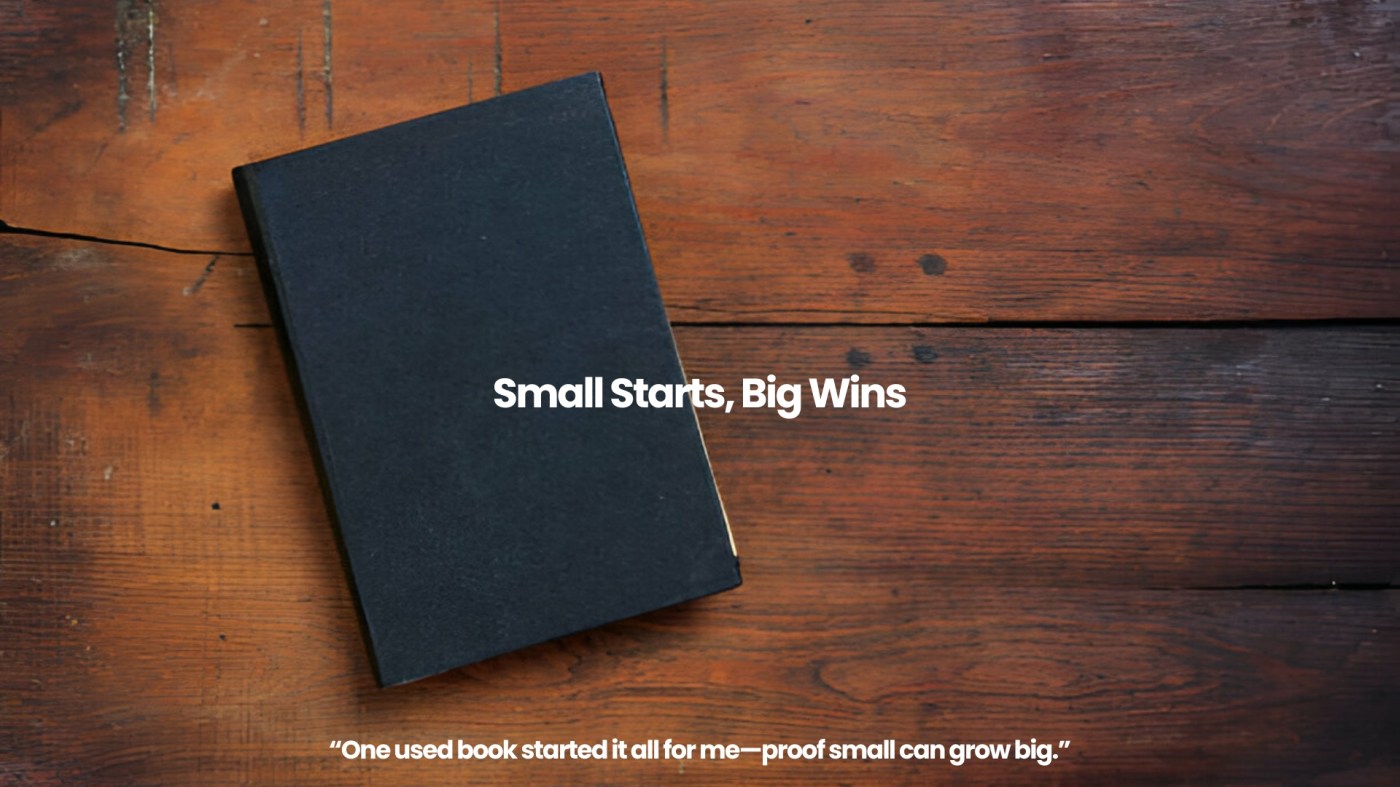
It wasn’t a grand business plan or some big funding round that got me started—it was a single used book I resold. Just one book. That small moment sparked the idea that small things can lead to something big.
And today, when I see micro-brands taking over niche markets—small businesses thriving by focusing on very specific customers—I feel a sense of déjà vu.
Have you ever come across a coffee brand made just for gamers? Or a skincare line for surfers? Sounds oddly specific, right? But these brands are winning, not because they serve everyone, but because they know exactly who they serve—and they serve them well.
These stories resonate with me because I know what it’s like to build something from scratch, to wonder if you’ll ever get noticed, and to feel that incredible moment when one customer believes in you.

Why Small Brands with Big Hearts Are Winning
When you start small, every customer counts—because you’re not chasing numbers; you’re building relationships.
I’ve seen this up close with some of the brands we’ve brought into the Ergode family. Red Cup Living, for example, isn’t just about reusable party cups. It’s about celebrations that don’t leave a mess—fun, sustainable, and community-driven. Then there’s Yardlio, which sells “Happy Birthday” signs that become part of family memories. Simple? Yes. But meaningful.
These brands work because they don’t try to appeal to everyone—they know exactly who they’re talking to. And when you speak directly to the right audience, you become part of their story.

📈 Agility: The Superpower of Small
One thing I admire most about micro-brands? Their speed.
Big brands take months to roll out products. Micro-brands can pivot overnight. I once spoke with the founder of a natural skincare line who noticed a growing demand for reef-safe sunscreen. Within weeks, they launched it—and it quickly became their bestseller.
It’s this agility, this ability to listen and act quickly, that allows micro-brands to stay relevant and win customer loyalty.

🎯 It’s About Community, Not Crowds
Here’s the truth: You don’t need millions of customers. You just need the right few who believe in what you’re building.
I’ve seen a vegan shoe brand focused solely on ethical fashion, attracting a loyal tribe of conscious consumers. Or a craft brewery whose experimental brews sell out immediately because their local community shows up every time.
These brands succeed because they don’t just build products—they build belonging. They create a space where their customers feel seen and valued. And that’s what turns casual buyers into lifelong supporters.
But how do you get there? How do you turn a simple product into a community-driven brand that matters?
💡 Key Takeaways for Small Business Owners
Here’s what I’ve learned from my own journey—and from watching micro-brands rise:
- Find Your People – The right audience changes everything. Focus on those who share your values and vision.
- Share Your Why – Your “why” is your edge. Don’t just tell people what you sell—tell them why you started.
- Move Fast – Trends shift and needs evolve. Small brands win because they adapt—quickly.
- Build Relationships, Not Just Sales – Create experiences and stories that customers want to share. Products can be copied, relationships can’t.
Conclusion
When I look at the success of micro-brands, I see a reminder of where I started.
Because in a world obsessed with scale, there’s something powerful about staying small—on purpose.
Small means personal.
Small means fast.
And small means you can create something deeply meaningful for the right people.
✨ Small ideas become big when they mean something to the right audience.
💬 What niche idea do you believe could make a big impact? Let’s chat—I’d love to hear your story.
Regards,
Rupesh
Discover more from Cloverbites By Rupesh Sanghavi
Subscribe to get the latest posts sent to your email.

Loved reading this blog.
LikeLike
Hello Mackie, thanks for your comments, means alot.
LikeLike