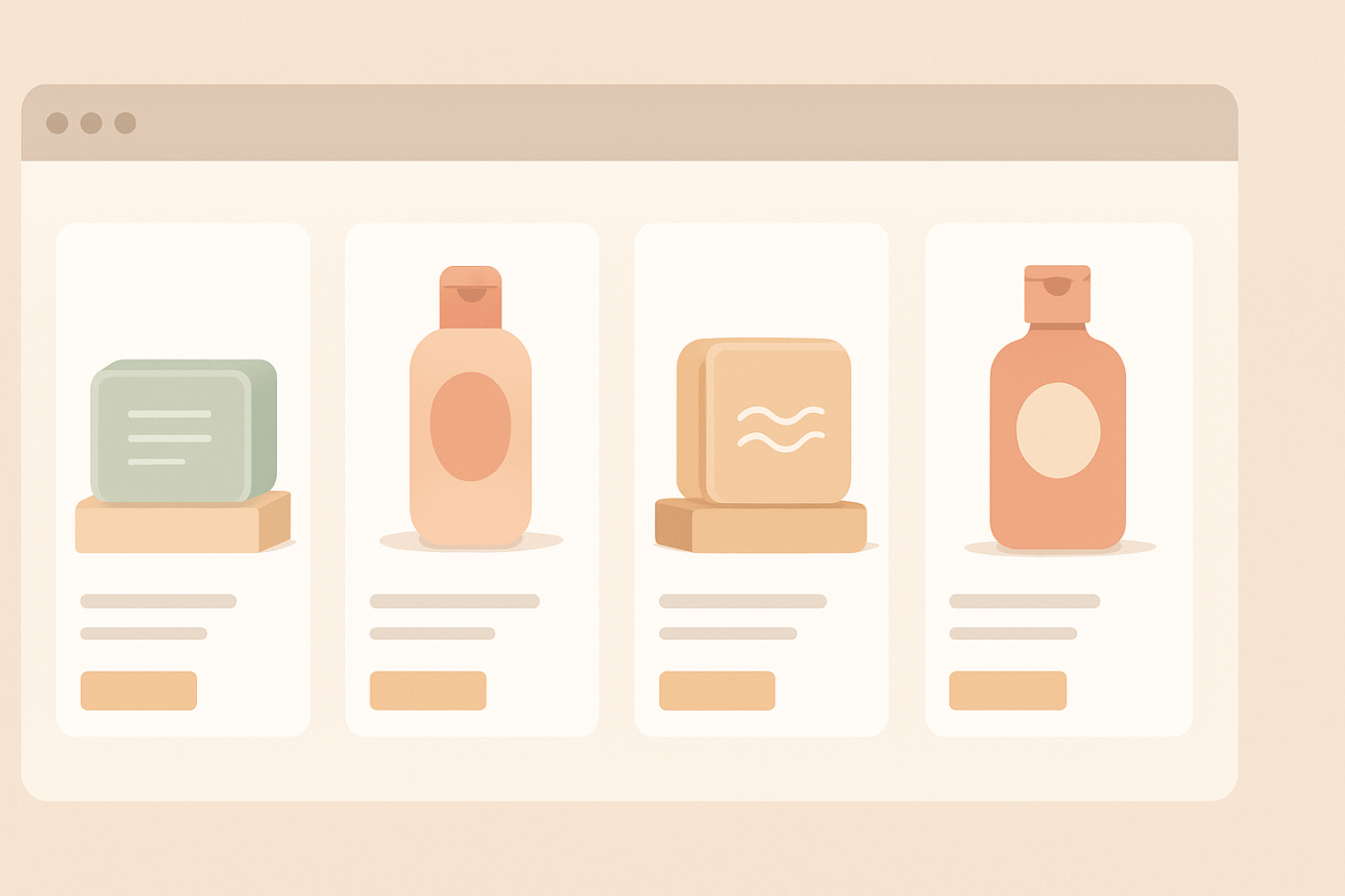
You won’t believe this, but a few months ago, I was scrolling through Instagram, not for work, just one of those late-night rabbit holes, and I stumbled on a post from a brand selling artisanal soaps. Beautiful photos, clean branding, clever captions. The thing is… two swipes later, I saw another artisanal soap brand. Same style. Same tone. If you covered the logos, I’m not sure I could tell them apart.
And honestly? I think one of them was literally using the same stock photo. Crazy! Haha!
It instantly took me back to a moment about three years ago. We were reviewing pitches from potential partners at Ergode, and three different D2C brands showed up with almost identical decks. Same fonts. Same “mission to disrupt.” Same color palette. It felt like someone had printed a D2C starter kit and handed it out at a conference.
Here’s what I think… somewhere along the way, the magic of building something distinct started getting replaced by templates.
The part nobody wants to admit
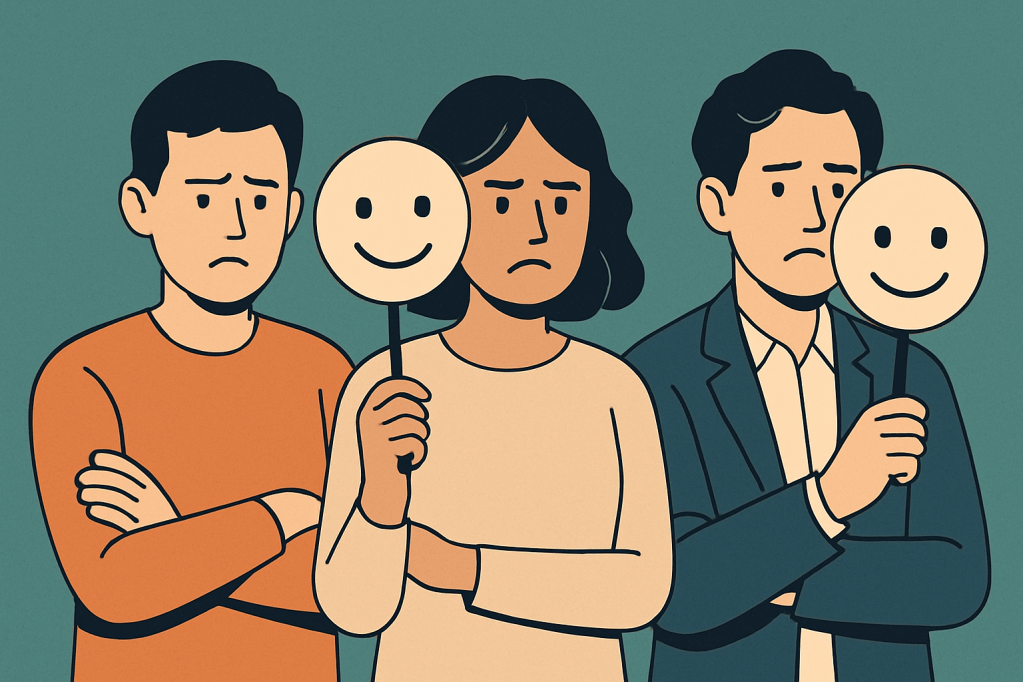
Before D2C truly exploded, every new brand that came along felt like a personality. You could taste the founder’s quirks in the product. Maybe the logo was slightly off-centre. Maybe the copy sounded more like a chat than an ad. You knew who you were buying from, because it felt different.
Now? Many brands think differentiation is swapping teal for lavender while keeping the same brand playbook. And I get why. It’s faster, safer, and the algorithms seem to reward it. But let’s be real… if you’re building a brand that looks like everyone else’s, are you actually building a brand? Or just participating in a very expensive group project?
Have you ever felt that way, browsing online, but nothing sticks?
Here’s my controversial take, and I say this with all respect: I think most D2C brands don’t actually want to be different. They want to be safe. Different is scary. Different means you might flop spectacularly instead of fading into irrelevance quietly. But the irony? Playing it safe is now the riskiest move you can make.
I’ve learned, sometimes the hard way, that true differentiation isn’t only about visuals. It’s about point of view. It’s the story only you can tell, not the one you borrowed from a Pinterest mood board.
When we decided to break the pattern
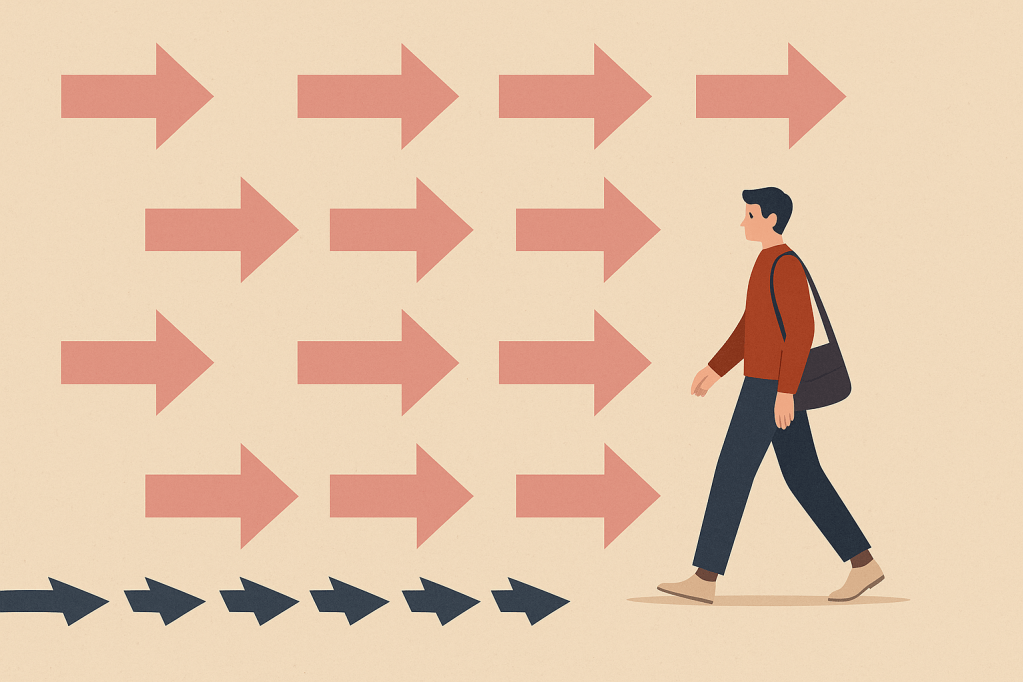
This thinking played out recently in one of our home décor projects. We were launching a new collection for Shalin India, one of our amazing acquired brands! (Look it up, guys!) And we could have easily followed the same commercial playbook: white studio shots, generic copy, safe messaging.
Instead, we decided to lean hard into the origin of the items. We told stories about the craftspeople, the cities where the designs came alive, the little imperfections that made each piece unique. Was it risky? Absolutely. There were late-night Slack messages wondering if being “too human” would tank our conversions.
But here’s what happened: not only did engagement climb, we started getting notes from customers saying they felt like they “knew” the brand better. They weren’t buying a vase. They were buying a piece of someone’s work, someone’s world. That emotional connection, that’s differentiation.
And yeah, some people hated it. One person emailed us asking why we couldn’t “just show the product like normal brands.” But you know what? I’ll take passionate reactions over indifference any day.
What I’d tell my younger self
The death of differentiation isn’t inevitable. But if you don’t protect it, it slips away quietly, replaced by whatever’s trending this quarter. In D2C, that’s almost always a slow fade into sameness. The global D2C market is projected to hit $595 billion by 2033, yet most brands will plateau well before reaching meaningful scale. Want to guess why?
So here’s what I’d ask you to consider: next time you think about your brand, strip away the mood boards, the ads, the packaging mock-ups. Ask yourself, if we had no logo, no tagline, could a customer still tell it’s us?
Because that, my friend, is the heartbeat of D2C. It’s not easy. It’s not always comfortable. But it’s the only way to build something people actually remember.
So… what’s your answer?
 Cloverbites By Rupesh Sanghavi
Leave a Reply