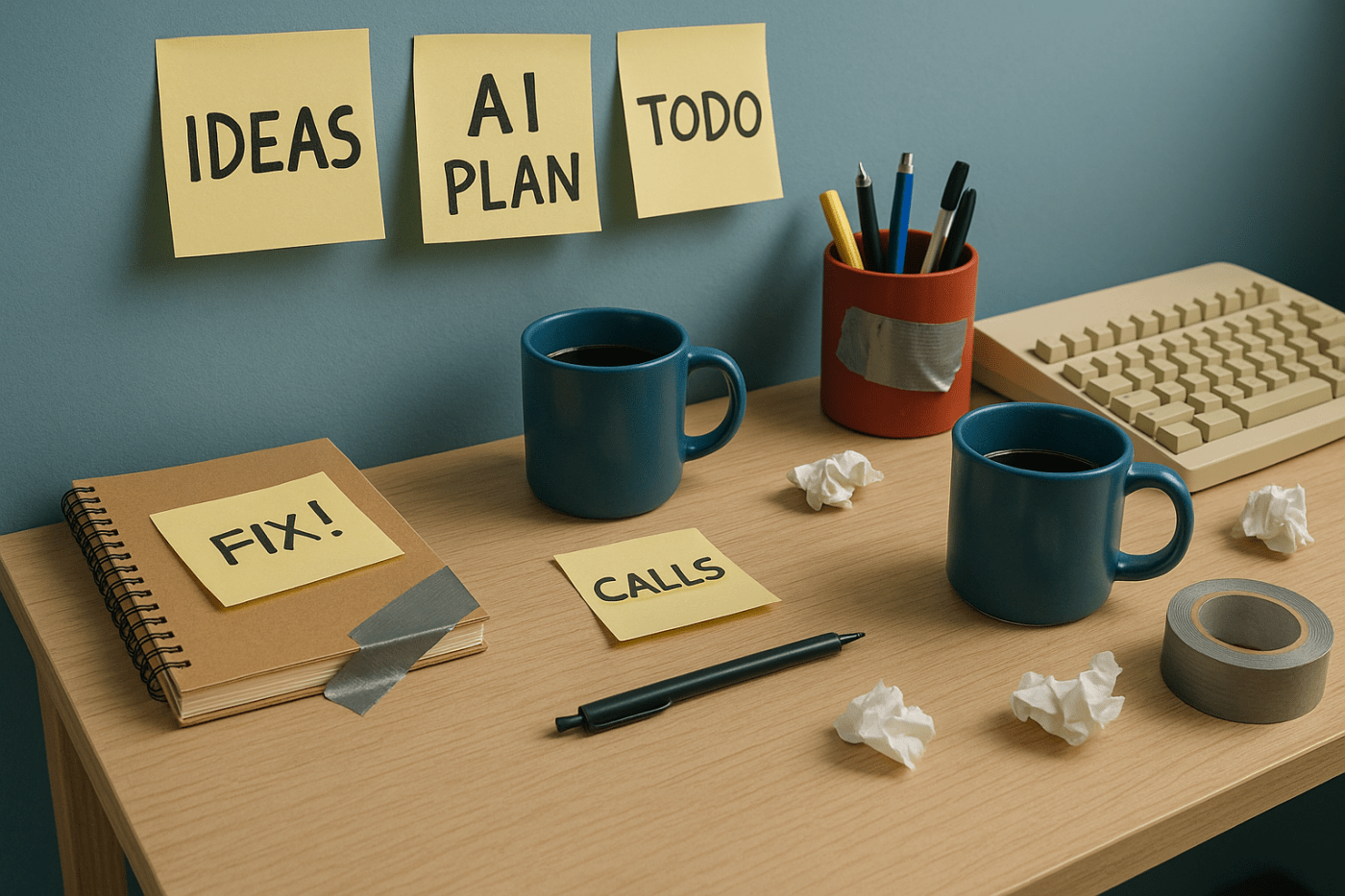
Before there were slick AI dashboards and LinkedIn gurus bragging about “revolutionary workflows,” there was chaos. Real, hilarious chaos.
I will never forget our first attempt at “automation” at Ergode. No GPT, no fancy models, not even a budget. Just a Google Sheet of canned replies and Rahul, our 22-year-old “AI system,” copy-pasting like his life depended on it.
Customers thought we had built something sophisticated. In reality, Rahul was just really fast with Ctrl+C and Ctrl+V.
It was clunky. It broke often. And honestly, it was kind of embarrassing. But here is the kicker: that silly little setup taught us everything we needed. What questions came up the most? Which answers calmed customers down? Which ones made them angrier?
That “dumb” experiment? It became the blueprint for the actual AI workflows we run today.
Why Dumb First Always Wins
I know how tempting it is to go straight for the shiny AI tool. But nine times out of ten, it is like buying a treadmill to get fit. It looks great in your house, and three weeks later, it is just holding your laundry.
The ugly hacks, the Airtable nobody wants to admit is manual, the Slack channel secretly run by humans, the bot that is actually three people on shifts. That is where the truth lives. That is where you learn what is worth automating.
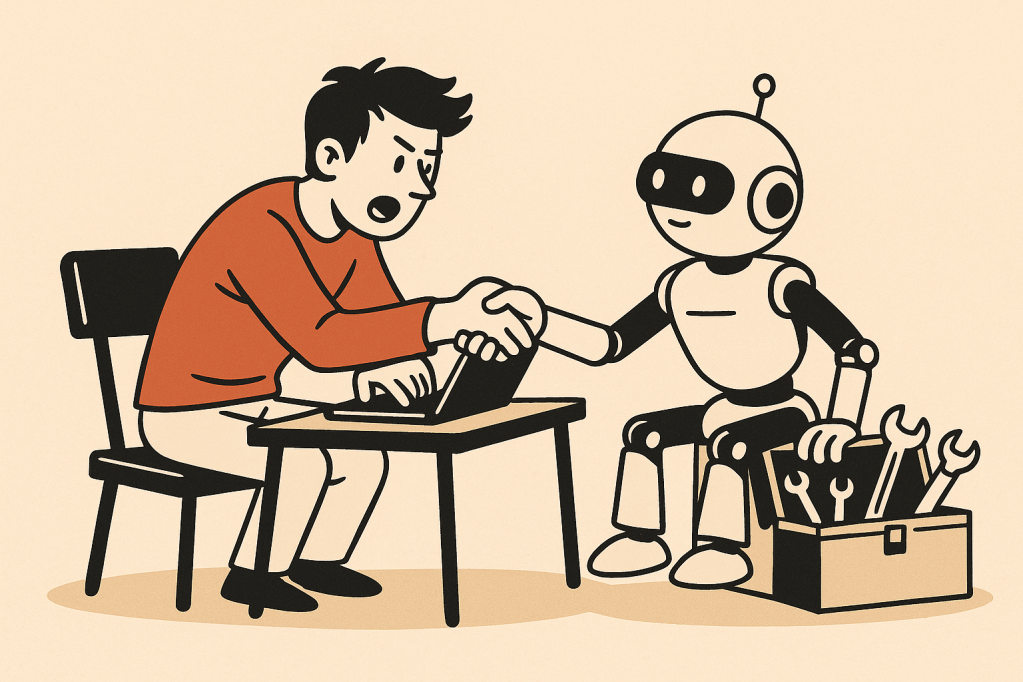
The Scientist, Not the Shopper
The smartest AI builders do not act like shoppers chasing features. They act like scientists.
They ask: Can we fake this manually first?
If the answer is yes, run the experiment. If people hate it, you just saved a pile of money. If they love it, then and only then do you bring in the big guns.
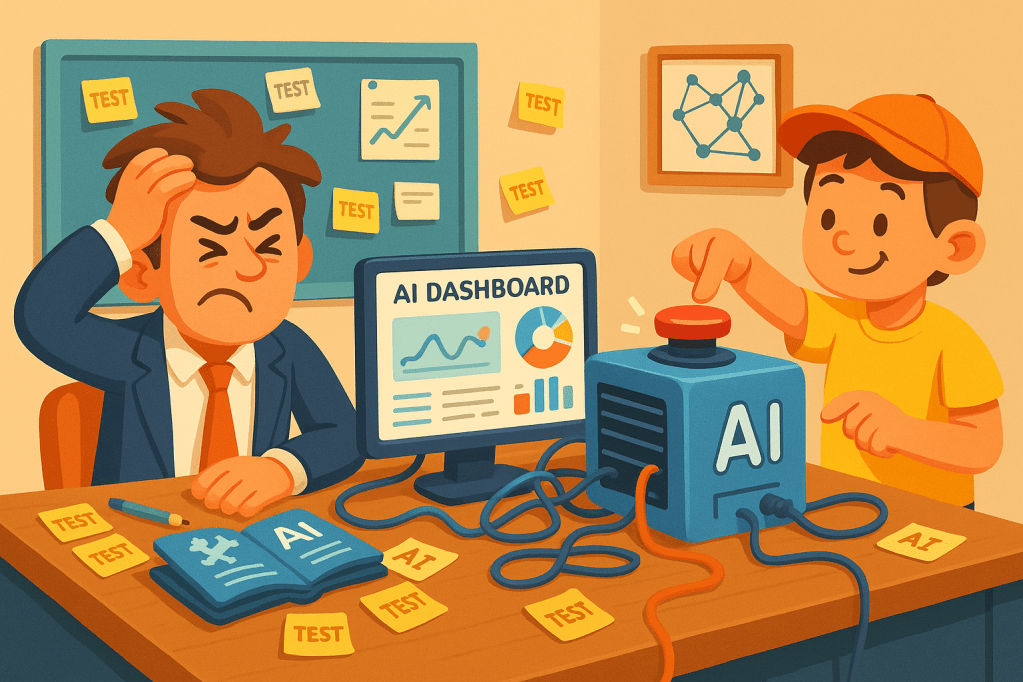
The Funny Part
Some of the best “AI hacks” I have seen were so bad they were genius. A WhatsApp group pretending to be a dashboard. A Zapier workflow that only worked if you refreshed it twice. A chatbot that “answered instantly” because an intern had the tab open all day.
And you know what? Customers loved it. Because it solved their problem. They did not care how.
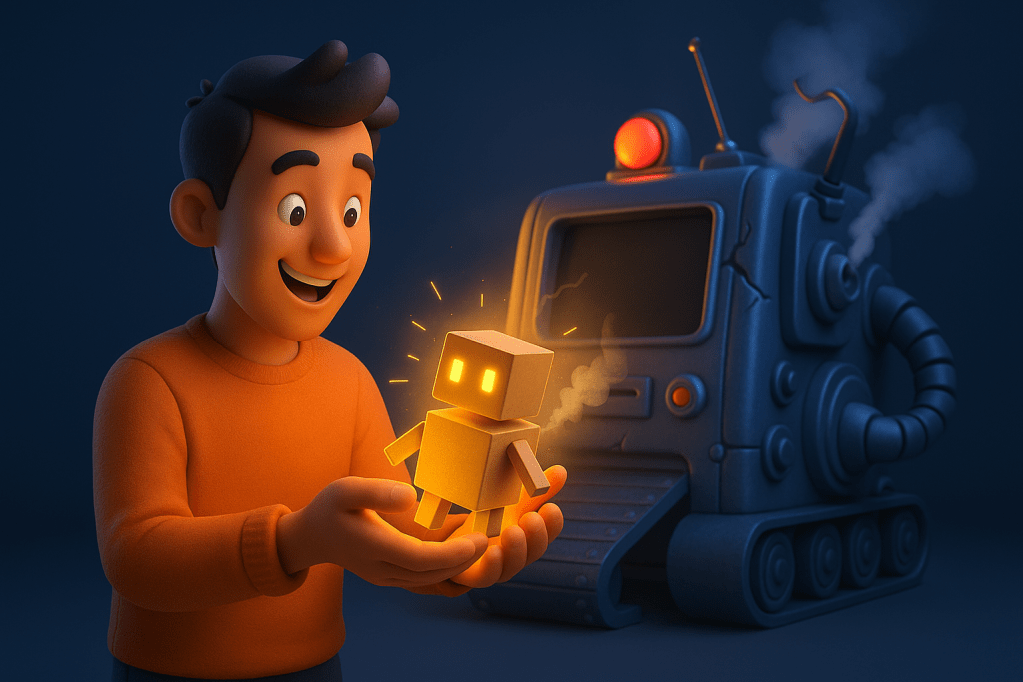
The Real Takeaway
The smartest AI does not start with AI. It starts with humans, sticky notes, copy-paste jobs, and duct tape.
So here is my advice: do not be afraid to look dumb. Try the silly version first. That is where the learning happens.
Because if you are too busy chasing “smart” from day one, you might just miss the brilliance hiding in the mess.
Regards,
Rupesh
 Cloverbites By Rupesh Sanghavi
Leave a Reply