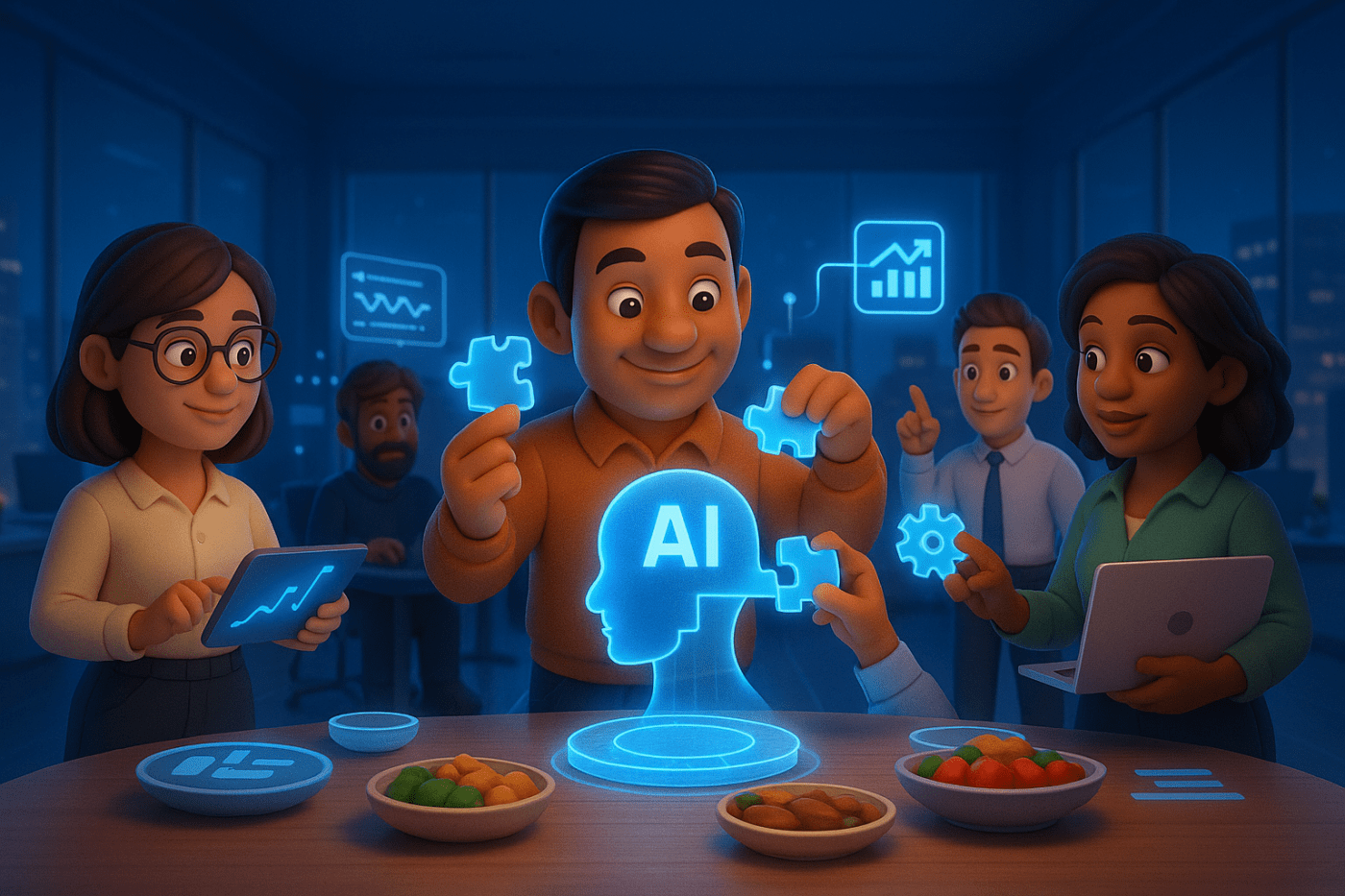
In the last year, every conversation I have with leaders has the same theme: “We are hiring AI specialists.” Prompt engineers. Data scientists. Automation experts.
It sounds impressive. However, here is the uncomfortable truth: five years from now, many of these titles may no longer exist.
Specialists will be absorbed by the very tools they are working on today. What companies will actually need are AI Generalists.
Think of it this way. When was the last time you met an “email specialist”? Exactly.

Why I Call It the AI Generalist
The AI Generalist is not defined by knowing one model inside out. They are defined by knowing how AI fits across the business and how to make it work in practice.
I call them “generalists” because they are not locked into a single tool or domain. They know enough about tech to speak to engineers, enough about business to work with leadership, and enough about people to make adoption possible.
They are translators. Connectors. Bridge-builders. Or, if you prefer, the salt that makes the whole dish come together.
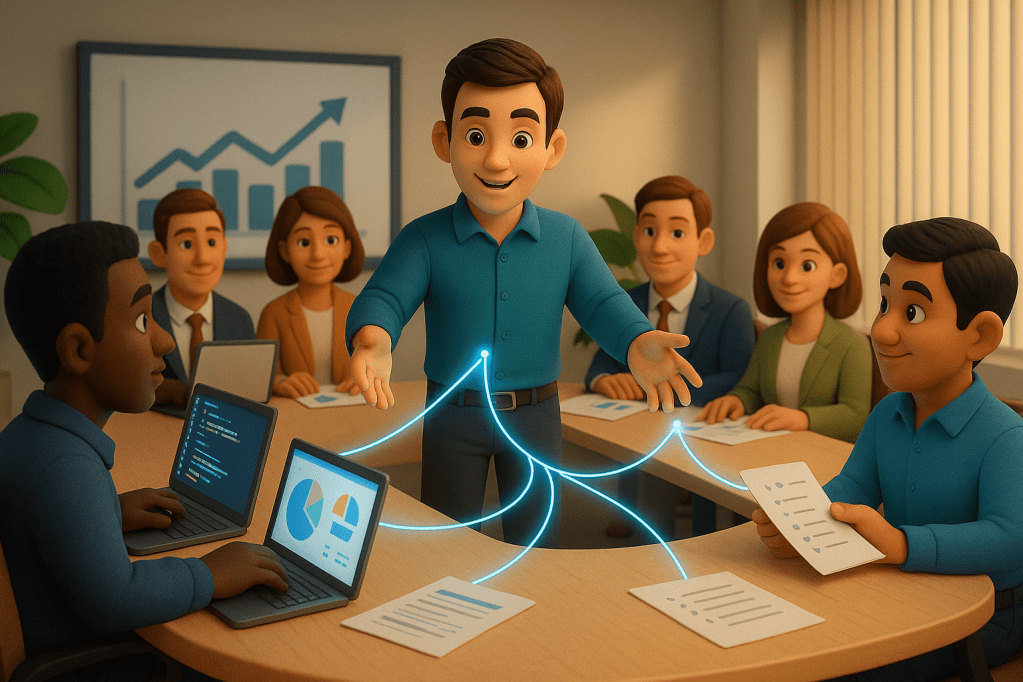
What an AI Generalist Actually Does
This role is not about writing the longest prompts or building the most complex pipelines. It is about asking the right questions and spotting the hidden opportunities.
- How can this AI tool in marketing reduce support tickets in customer service?
- How do we stop six departments from buying six different AI solutions that all do the same thing?
- How can we use automation to give people time back, not just cut costs?
The AI Generalist does not chase shiny tools. They chase outcomes. They are the ones in the meeting saying, “That sounds exciting, but will it actually work on Monday morning?”
What This Means for Employees
For professionals, this is both a challenge and an opportunity. If you build your career only as a narrow AI specialist, you may find the role disappearing as tools evolve. But if you position yourself as a generalist, someone who can see how AI connects across functions, who understands the business impact, who can make change human, you become indispensable.
You do not need to be the deepest expert in every tool. You need to be the one who knows how to make the tools talk to each other and how to turn them into business results.
In short, the AI Generalist is not just a role companies need. It is a mindset employees should start building now.

The Urgency Everyone Cannot Ignore
In five years, this will not be optional. Companies that fail to prepare will be left behind. And employees who fail to adapt will find themselves stuck in roles that AI itself has replaced.
The future will not belong only to specialists. It will belong to connectors: the people who bridge gaps, translate complexity, and make sure AI is more than just a buzzword in a board deck.
That is the AI Generalist. And yes, in my view, it might just be the most important job of the next five years.
Regards,
Rupesh
 Cloverbites By Rupesh Sanghavi