
Imagine browsing an online store where you don’t just scroll through products—you walk through a fully immersive digital showroom, picking items off virtual shelves. As you pick up a jacket, it customizes itself in real-time based on your preferences. By the time you leave, the payment is already processed invisibly, and the delivery schedule is set.
This isn’t science fiction—it’s Web 4.0, and it’s closer than we think.
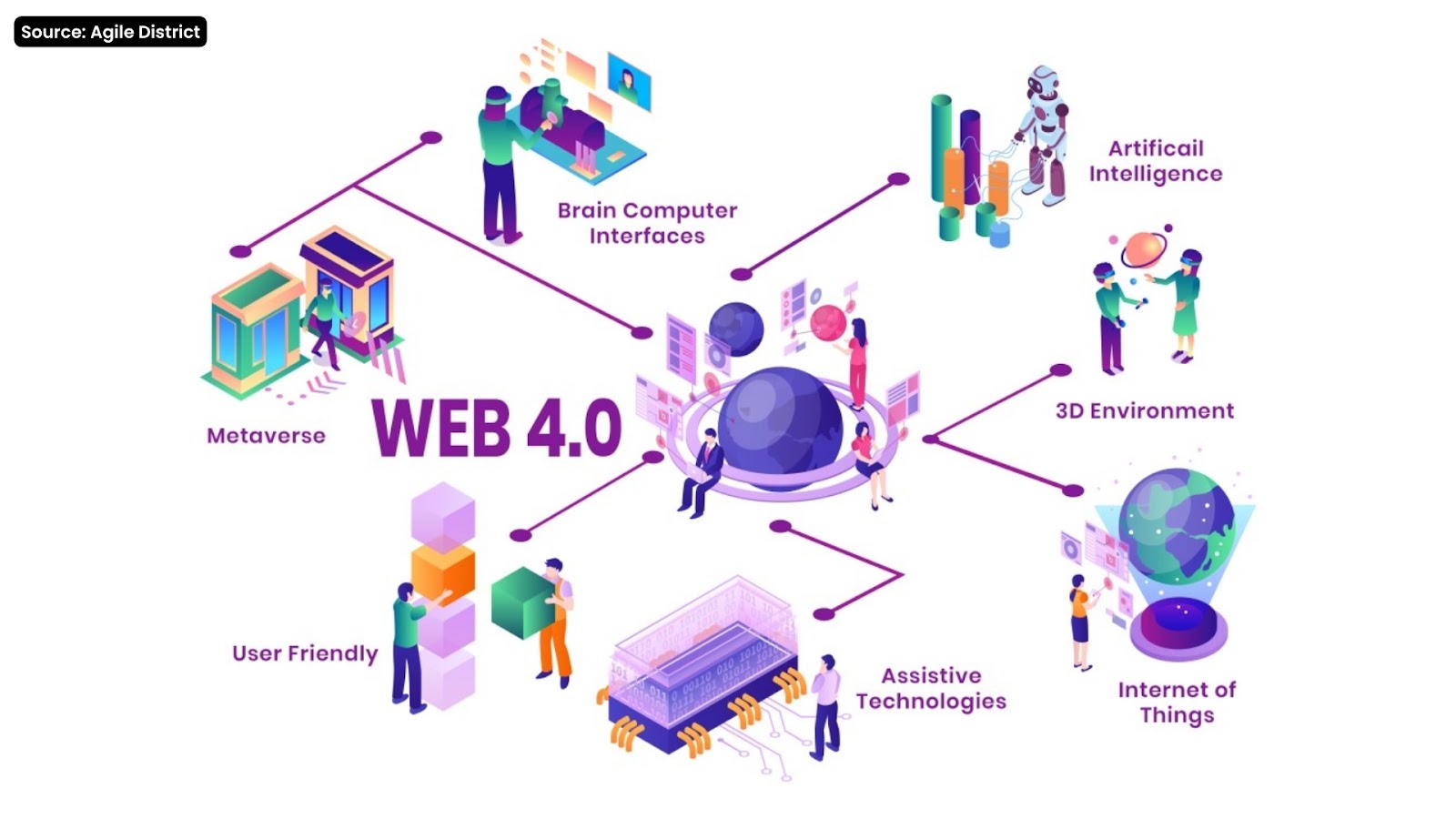
What is Web 4.0?
Web 4.0 represents the next generation of the internet, evolving from the static Web 1.0, interactive Web 2.0, and decentralized Web 3.0. Here’s how it stands out:
- AI-Powered Interactions: Web 4.0 leverages artificial intelligence to create hyper-personalized experiences.
- Immersive Environments: Augmented reality (AR) and virtual reality (VR) will bring digital spaces to life.
- Interconnectivity: Devices, data, and systems will communicate seamlessly, creating a unified digital ecosystem.
For e-commerce, Web 4.0 isn’t just about selling products anymore—it’s about creating experiences that redefine how customers engage with brands.
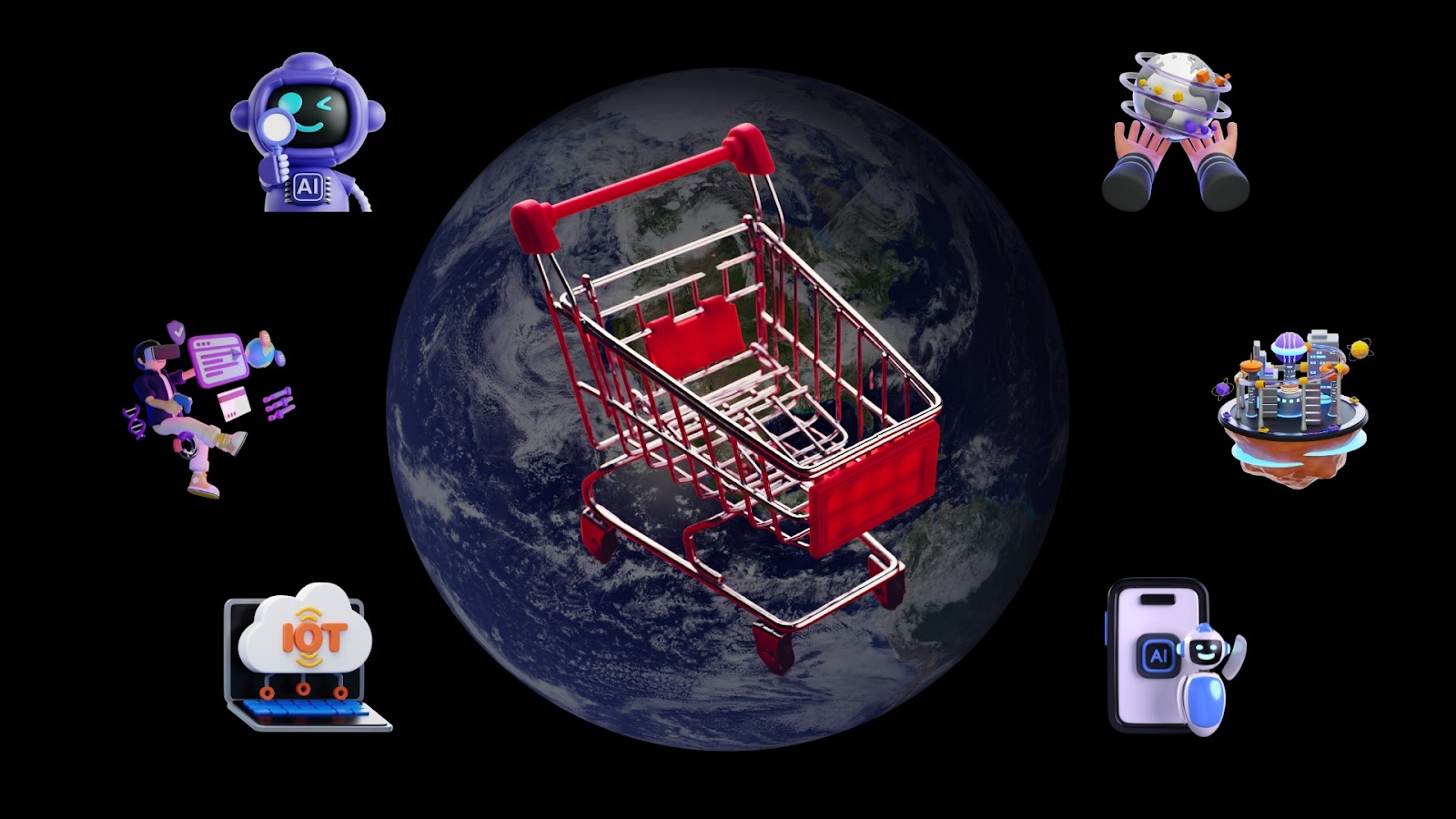
E-Commerce in the Web 4.0 Era
So, what does Web 4.0 mean for online retail?
- Immersive Shopping Experiences:
Imagine visiting a virtual mall through VR, where you can “try on” clothes or visualize furniture in your home before buying.
Example: IKEA has already embraced this with their AR app, allowing customers to place virtual furniture in their rooms. - Hyper-Personalization:
AI will analyze customer behavior in real-time, offering personalized product recommendations, dynamic pricing, and customized promotions.
Example: Imagine browsing for skincare, and a virtual assistant recommends products tailored to your skin type and climate—instantly. - Decentralized Marketplaces:
Powered by blockchain, Web 4.0 enables transparent and secure peer-to-peer transactions.
Example: Platforms like OpenSea already use blockchain to facilitate the sale of digital assets like NFTs, hinting at the future of decentralized commerce.

Opportunities and Challenges
While the possibilities are exciting, Web 4.0 also brings its share of challenges.
Opportunities:
- Increased Customer Engagement: Immersive experiences build deeper connections with brands.
- Global Reach: Interconnectivity enables seamless cross-border commerce.
- Efficiency Gains: AI-driven processes reduce costs and improve operations.
Challenges:
- Infrastructure Needs: AR/VR shopping requires robust hardware and software.
- Data Privacy Concerns: With hyper-personalization comes increased scrutiny of how customer data is used.
- Adoption Barriers: Smaller businesses may struggle to adapt to Web 4.0 technologies.
At Ergode, we’re actively exploring how these innovations can transform our customer experiences, from AR-enhanced product previews to AI-powered personalization.
So, Is E-Commerce Ready for Web 4.0?
The truth is, not everyone is ready. Transitioning to Web 4.0 requires investment, innovation, and a deep understanding of customer needs.
For businesses, the question isn’t whether to adopt Web 4.0 technologies—it’s how to integrate them thoughtfully and sustainably into the customer journey.
So here’s the question every e-commerce leader should ask:
“Are we prepared to evolve with the internet, or will we be left behind in the Web 4.0 revolution?”
Because in this new era, experience isn’t just a differentiator—it’s everything.
Regards,
Rupesh
 Cloverbites By Rupesh Sanghavi
Leave a Reply