
The Unexpected Designer
A few months ago, I was reviewing logo concepts for a product line launch. Among the submissions was one that stood out—it was bold, balanced, and modern. Intrigued, I asked about the designer, expecting to hear the name of a creative agency.
Instead, the response surprised me: “It was created by an AI.”
That moment raised a question I’ve pondered since forever now: Can machines truly replace human creativity, or are they simply tools in a creative process led by people?
As brands look to scale faster and connect with customers more personally, the debate over AI’s role in creativity is heating up.
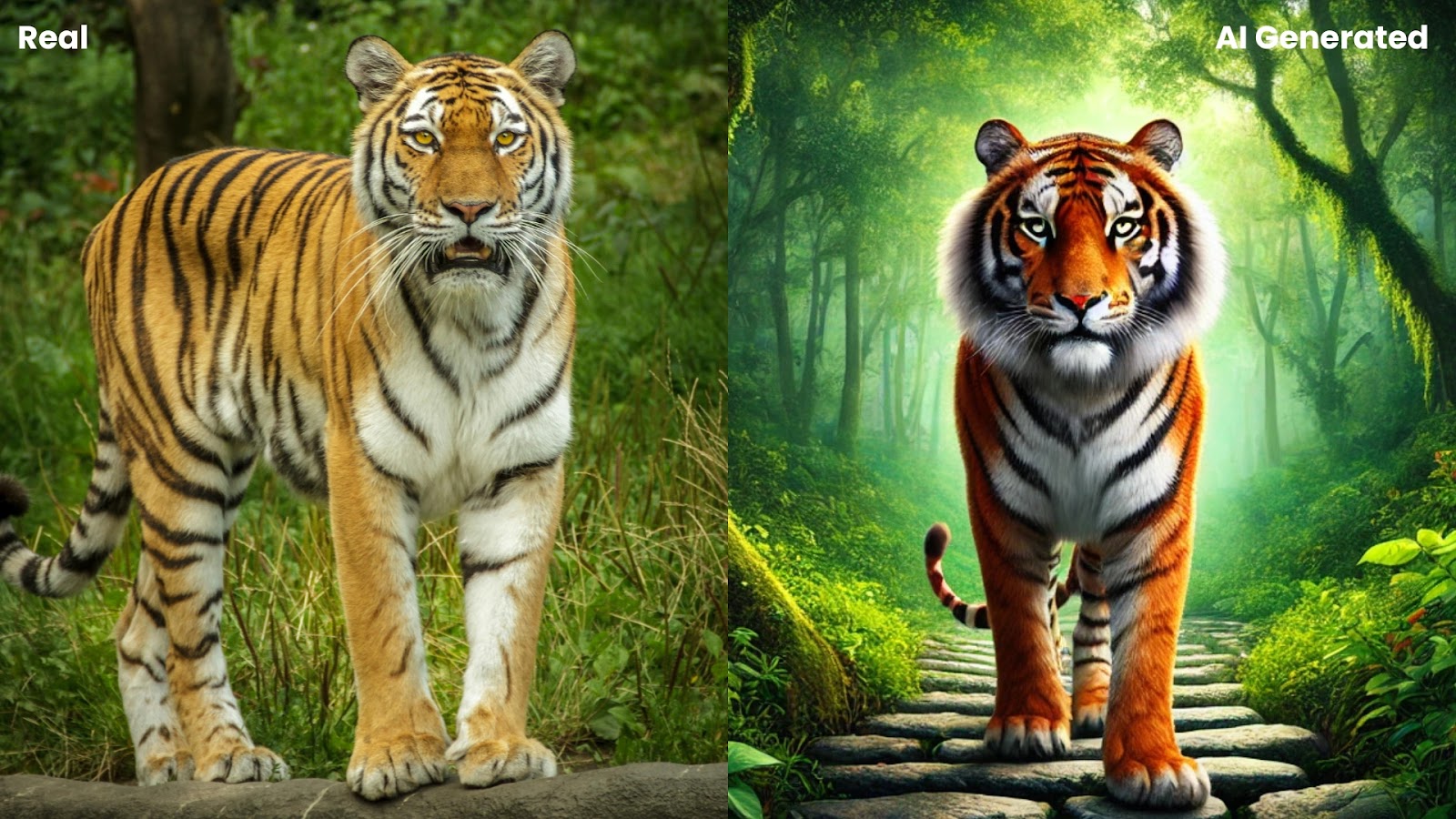
The Rise of AI in Creative Fields
From designing logos to writing ad copy, AI is no longer just a back-office tool—it’s taking center stage in creative industries.
What Can AI Do?
- Logo Design: Tools like Canva and Looka generate logo concepts in minutes, making professional design accessible to small businesses.
- Content Creation: Platforms like Jasper and ChatGPT help brands generate blogs, ad copy, and even product descriptions.
- Visual Storytelling: AI tools like DALL·E creates stunning visuals from simple text prompts, opening new doors for digital marketing.
By 2026, AI in creative industries is projected to be a $50 billion market, revolutionizing how brands develop campaigns, designs, and experiences.

AI’s Strength: Speed, Scale, and Precision
What makes AI so appealing in creative fields is its ability to:
- Scale Effortlessly: Need 500 ad variations in 10 languages? AI can generate them in seconds.
- Adapt to Data: AI analyzes trends and audience preferences, creating designs that resonate with specific demographics.
- Work Without Bias: Unlike humans, AI approaches creativity without preconceived notions, often producing ideas that challenge conventional thinking.
For e-commerce brands like Ergode, this speed and adaptability are game-changers. AI allows us to test multiple ad concepts simultaneously, refine strategies based on real-time data, and personalize visuals for different customer segments.
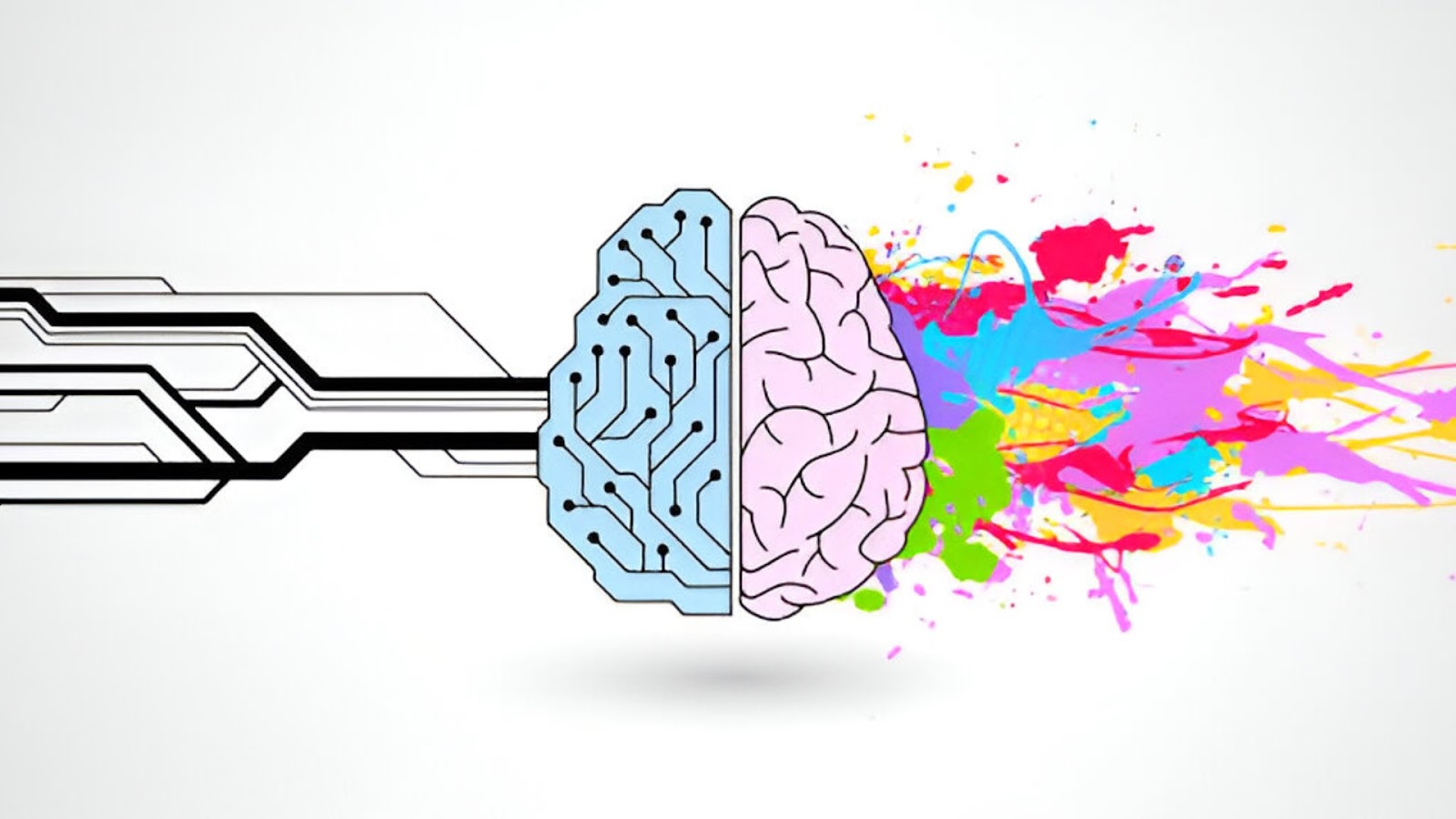
But Can AI Replace Human Creativity?
Here’s where the debate gets interesting. While AI excels at efficiency and precision, creativity isn’t just about logic—it’s about emotion, intuition, and storytelling.
Take Apple’s iconic “Think Different” campaign. Could an AI have envisioned its bold simplicity? Or what about Coca-Cola’s red and white brand identity—would a machine have chosen something so timeless yet so human?
Great brands aren’t just built on data—they’re built on ideas that evoke emotion, inspire connection, and reflect culture.

Real-World Examples of AI and Human Collaboration
- Adidas: Used AI to create personalized workout playlists for customers, blending machine intelligence with brand identity.
- Nutella: Leveraged AI to design millions of unique jar labels, combining data-driven designs with emotional storytelling.
- Spotify: Its “Wrapped” campaign uses AI insights to create personalized experiences, sparking joy and shareability among users.
At Ergode, AI-powered tools have enabled us to create customer-centric campaigns, but the final touches—those subtle details that turn ideas into stories—still come from human intuition.
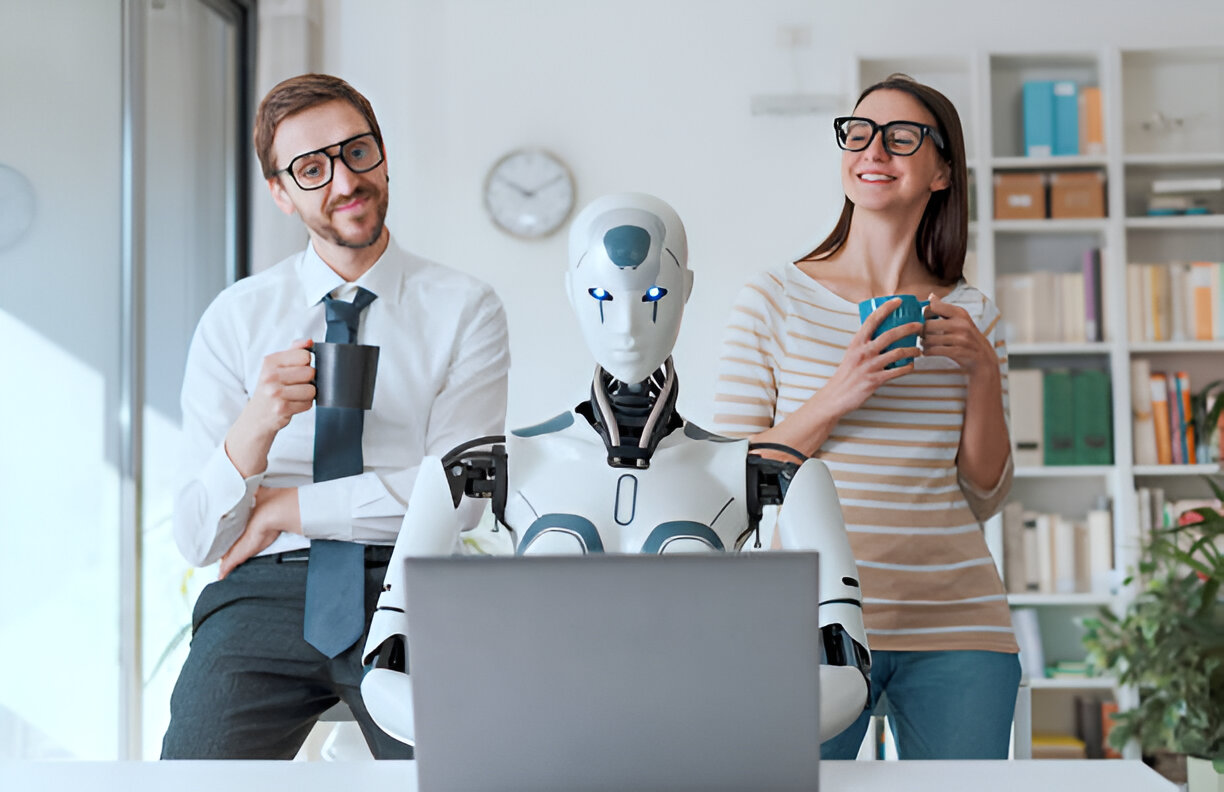
The Future: Collaboration, Not Replacement
The truth is, AI isn’t here to replace human creativity—it’s here to amplify it.
Imagine a designer brainstorming logo ideas with AI generating multiple concepts based on their vision. Or a marketer crafting a campaign with AI suggesting ways to optimize messaging for different audiences.
This isn’t a battle between humans and machines—it’s a partnership.
So, What’s the Answer?
Can machines design the next big brand? Not alone. But can they revolutionize how we approach branding, marketing, and storytelling? Absolutely.
The brands of tomorrow will be those that embrace AI as a partner in creativity, combining the speed and precision of machines with the heart and intuition of humans.
So here’s a question for every creative leader today:
“Are we using AI to make creativity faster, or to make it better?”
Because the future of branding isn’t about choosing between AI or humans—it’s about how the two can create something extraordinary together.
Regards,
Rupesh
 Cloverbites By Rupesh Sanghavi
Leave a Reply