
The Model That Wasn’t Real
Last year, while scrolling through an online store, I came across a campaign featuring a model wearing a beautifully crafted jacket. The image was flawless—perfect lighting, a confident pose, and a smile that could sell anything.
But here’s the twist: the model wasn’t real.
The campaign used synthetic media, where AI had created the model, the jacket, and even the background. Everything about it was digitally generated, yet it felt real enough to spark trust and interest.
That moment was a glimpse into the future of advertising—a future where synthetic media isn’t just a tool, but a game-changer for e-commerce brands.

What is Synthetic Media?
Synthetic media refers to AI-generated content, including images, videos, voices, and even entire personas. Think of it as the next evolution of digital creation, where machines produce content that’s indistinguishable from reality.
Examples:
- Virtual Models: Brands like Balmain and Prada now use AI-generated models for campaigns, eliminating the need for traditional photoshoots.
- Voice Cloning: AI tools recreate voices for personalized advertisements or customer interactions.
- Deepfake Technology: While controversial, deepfakes can create hyper-personalized video ads, where a customer might see a spokesperson addressing them by name.
By 2025, the synthetic media industry is projected to reach $100 billion, with e-commerce leading its adoption.
How Synthetic Media is Transforming E-Commerce Advertising
E-commerce thrives on visuals and engagement. Here’s how synthetic media is reshaping the landscape:
- Cost Efficiency:
Traditional photoshoots are expensive—studios, equipment, models, and teams add up. Synthetic media can create campaigns in minutes at a fraction of the cost. - Personalization at Scale:
Imagine showing a customer how a piece of furniture would look in their living room, complete with their exact décor. Synthetic media makes this possible through AI-generated visuals tailored to individual preferences. - Global Reach:
Need to create localized ads in 10 different languages? Synthetic media generates hyper-localized content for diverse audiences with ease.

Real-World Examples of Synthetic Media in Action
- Alibaba: During its Singles’ Day event, Alibaba used AI to create over 1,000 banner ads per second, each personalized for individual shoppers.
- H&M: Virtual influencers, like the AI-generated model “Shudu,” have been used to promote their collections, engaging younger, digital-native audiences.
- Nike: Through synthetic media, Nike visualized how their products would perform in real-world scenarios, creating immersive ad experiences.
At Ergode, we’ve seen how impactful personalized visuals can be in helping customers choose the right home décor items. Integrating synthetic media into our advertising strategy has allowed us to showcase products in diverse environments, tailored to specific customer tastes.
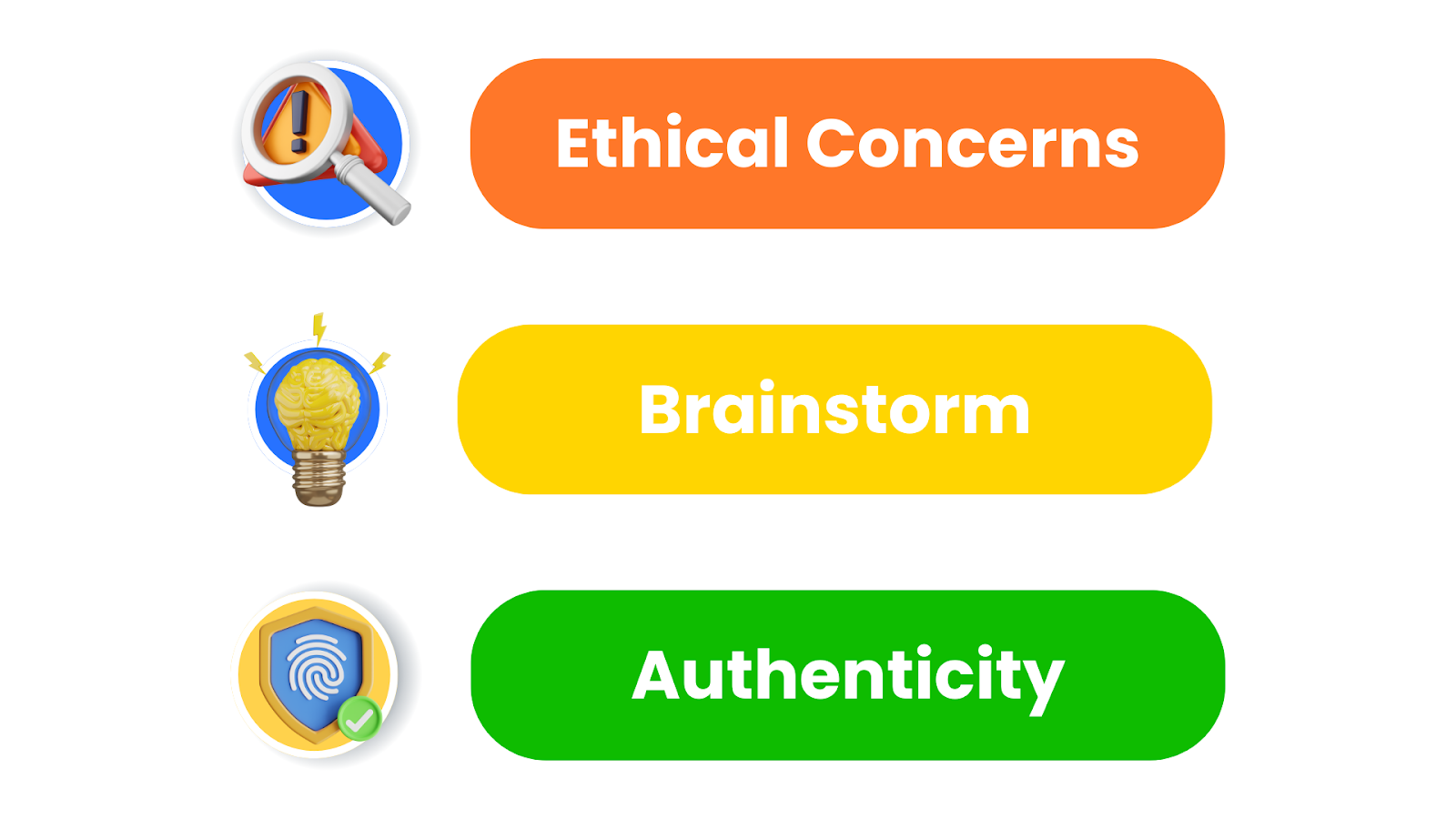
The Challenges of Synthetic Media
While synthetic media offers immense potential, it’s not without challenges:
- Ethical Concerns:
Deepfake technology, if misused, can erode trust and spread misinformation. Brands must prioritize transparency in how synthetic media is used. - Authenticity:
Customers value authenticity. Overusing synthetic content may feel impersonal or detached if not done thoughtfully. - Technical Barriers:
Advanced AI tools require significant investment, which can be a barrier for smaller brands.
The key is balance—leveraging synthetic media for efficiency while maintaining genuine connections with customers.
The Future of Synthetic Media in Advertising
Imagine this: A customer browsing an e-commerce site sees a personalized video ad where an AI-generated host welcomes them by name, highlights items they’re likely to love, and even answers their questions—all in real time.
This isn’t science fiction—it’s the direction we’re heading.
As synthetic media evolves, it will:
- Revolutionize Personalization: Tailored ads and product recommendations will feel more human than ever.
- Enable Micro-Targeting: Brands can create campaigns for niche audiences without the high costs of traditional production.
- Redefine Creative Freedom: Content creation will no longer be limited by physical or logistical constraints.
So, What Does This Mean for Brands?
Synthetic media isn’t just a tool—it’s a strategy.
For brands, the question isn’t whether to adopt it, but how to use it responsibly and effectively. Synthetic media allows us to tell stories at scale, connect with customers more personally, and create visuals that inspire trust and engagement.
But here’s the real question for businesses embracing this future:
“Are we using synthetic media to enhance authenticity, or are we risking the trust that makes our brands human?”
Because in a world of AI-generated perfection, the brands that win will be the ones that use technology to stay human.
Regards,
Rupesh
 Cloverbites By Rupesh Sanghavi
Leave a Reply