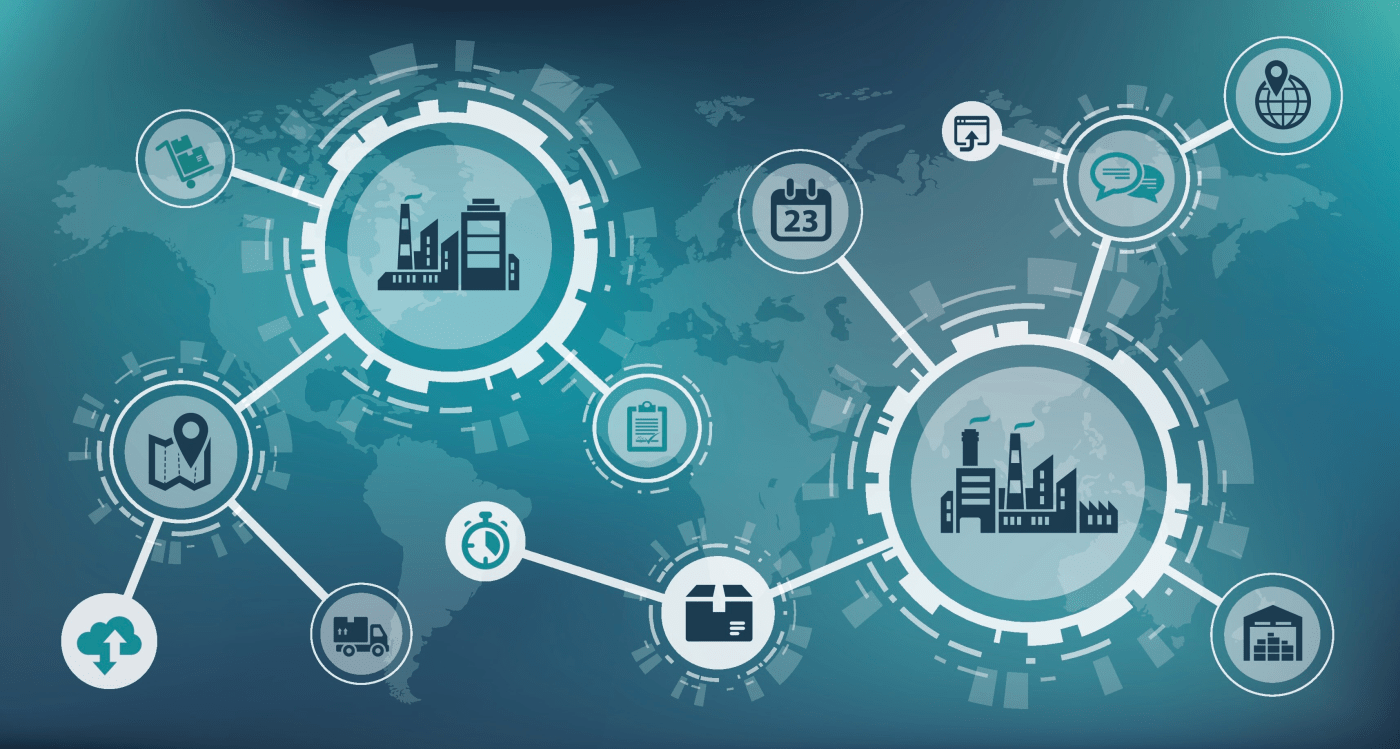
Companies across the globe are slowly and steadily getting back into business. Companies have slowly and steadily began the process of opening up again, assessing the damage, and preparing for a massive reassessment after the COVID-19 pandemic. One sector that has taken a big hit is the supply chain management. The pandemic has disrupted the supply chain operations of many companies highlighting the fact that the businesses weren’t ready for such massive disruptions and the pandemic itself.
This pandemic has caught many companies off guard exposing various vulnerabilities that exist within their operations. In spite of this, the organizations are trying their level best to manage the situation and do the best that they can. In this space, Ergode as an organization has worked hard to ensure that all the demands of our customers are fulfilled despite the ongoing lockdown and restrictions across the globe. It wasn’t easy. Not one bit. Such turbulent times have highlighted the need for digitalization, better operational efficiency, and need for balance between local, regional, and global sourcing.
The pandemic has also brought about a certain shift in the consumer behavior and one that is mostly permanent. Some suppliers will make it big whereas some suppliers will continue to struggle to meet production, delivery, and customer service. The bottom line here is, this disruption in the supply chain is going to last longer than the pandemic itself which is a game-changer for us as well as other players operating in the market.
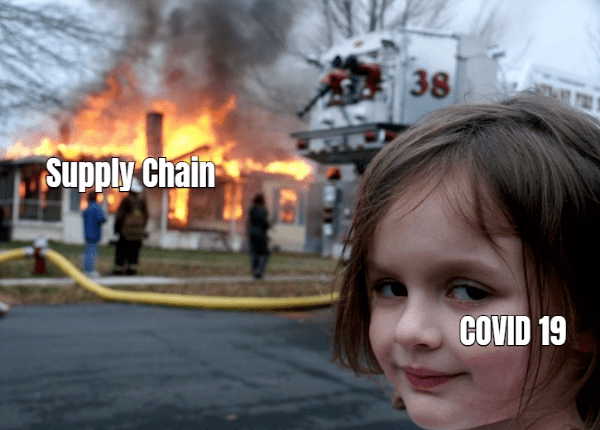
But the question is “What will happen to supply chains after the pandemic is over”?
Returning to what we used to think of as normality is not an easy process and the reality is, to begin with answering what “new normal” actually means. The question for all of us should not be how to return to pre-pandemic conditions but to determine whether those conditions were serving the company well in the first place itself. As a global supply chain, Ergode delivered advantages of scale, volume, and price even in such a testing situation.

We always strike a balance in the supply chain with more of a strategic balance of local, regional, and global mix. Also, the businesses need to move towards automation, which has only been accelerated by this pandemic. This rebalancing phase, and shift towards optionality in the supply chain at its heart, requires the organizations to change their behavior and move away from previous assumptions. This way, Ergode would be able to adapt to the changing times and that is the need of the hour.
The bottom line is we are in the process of re-evaluating our supply chain, operations risk, and uncertainty while still growing in terms of cash returns and profits. This way Ergode as organizations would be able to deal with the current situation with much more ease besides being better prepared for the next disruption.

 Cloverbites By Rupesh Sanghavi
Leave a Reply